Category: Medications - Page 2
Benzodiazepine Tapering: Safe Strategies to Reduce Dependence
Learn how to safely reduce benzodiazepine use with evidence-based tapering strategies that minimize withdrawal risks and improve long-term health outcomes. Based on 2024 clinical guidelines.
Buying Medicines Abroad: Can You Get Cheaper Generics?
Can you save money by buying generic medicines abroad? The answer is yes-but only if you know where to look and how to avoid dangerous scams. Learn the real savings, hidden risks, and safest ways to buy overseas generics in 2026.
Gabapentinoids and Fetal Development: What Pregnant Women Need to Know Now
Gabapentin and pregabalin are commonly used during pregnancy for pain and anxiety, but new evidence shows risks like heart defects, preterm birth, and NICU admissions. What you need to know before taking them.
VA Generic Coverage: How Veterans Affairs Formularies Control Prescription Costs and Benefits
Learn how the VA National Formulary controls prescription costs for veterans, why generics are prioritized, how copay tiers work, and how to access your medications through VA pharmacies, Meds by Mail, or community care.
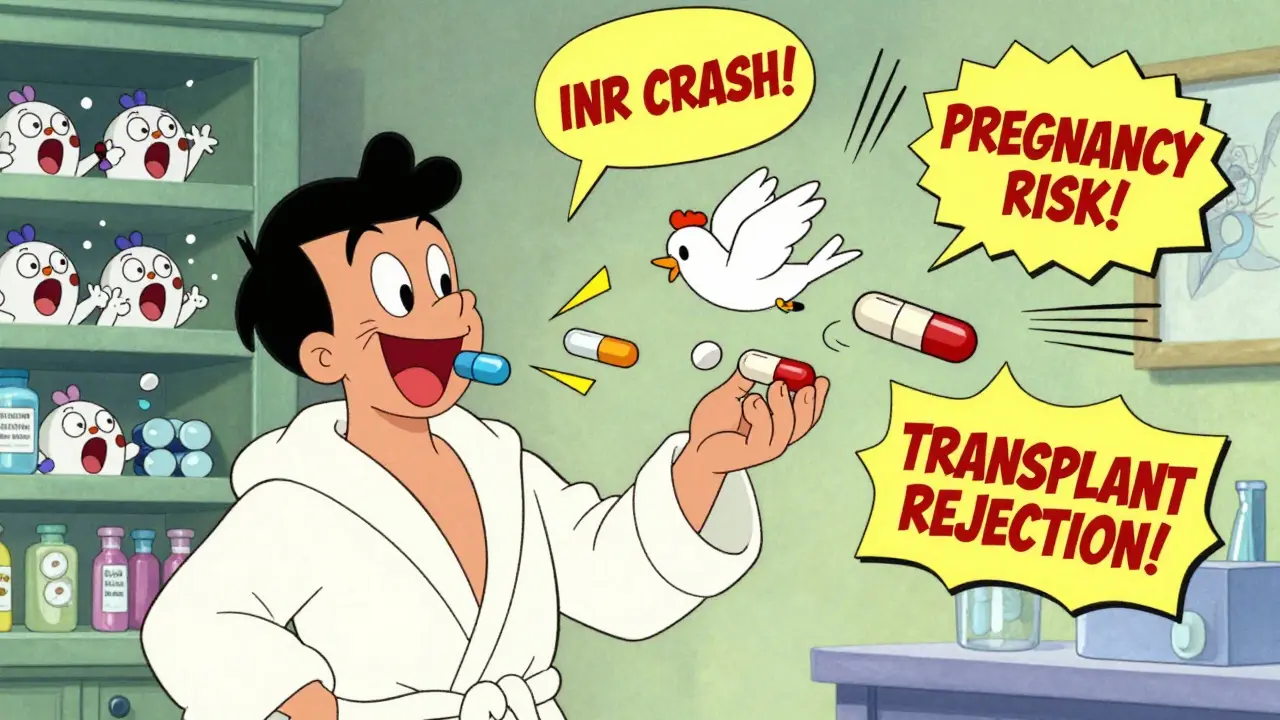
St. John’s Wort and Medication Interactions with Prescription Drugs: What You Need to Know
St. John’s Wort may help mild depression, but it can dangerously reduce the effectiveness of warfarin, birth control, antidepressants, and transplant meds. Learn which drugs interact and what to do if you're taking it.
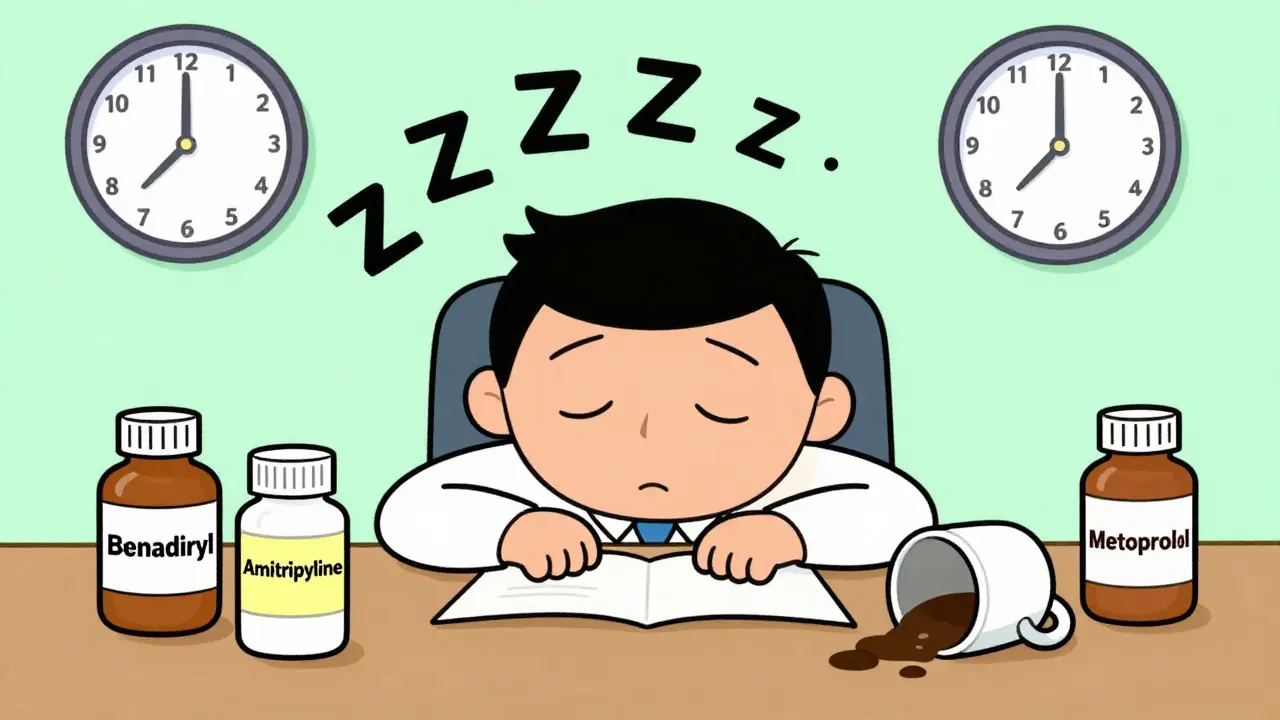
Medication-Induced Drowsiness: What Causes It and How to Manage It
Medication-induced drowsiness is a common but often overlooked side effect that can impact safety, work, and daily life. Learn what causes it, which drugs are most likely to cause sleepiness, and proven ways to manage it without stopping your meds.
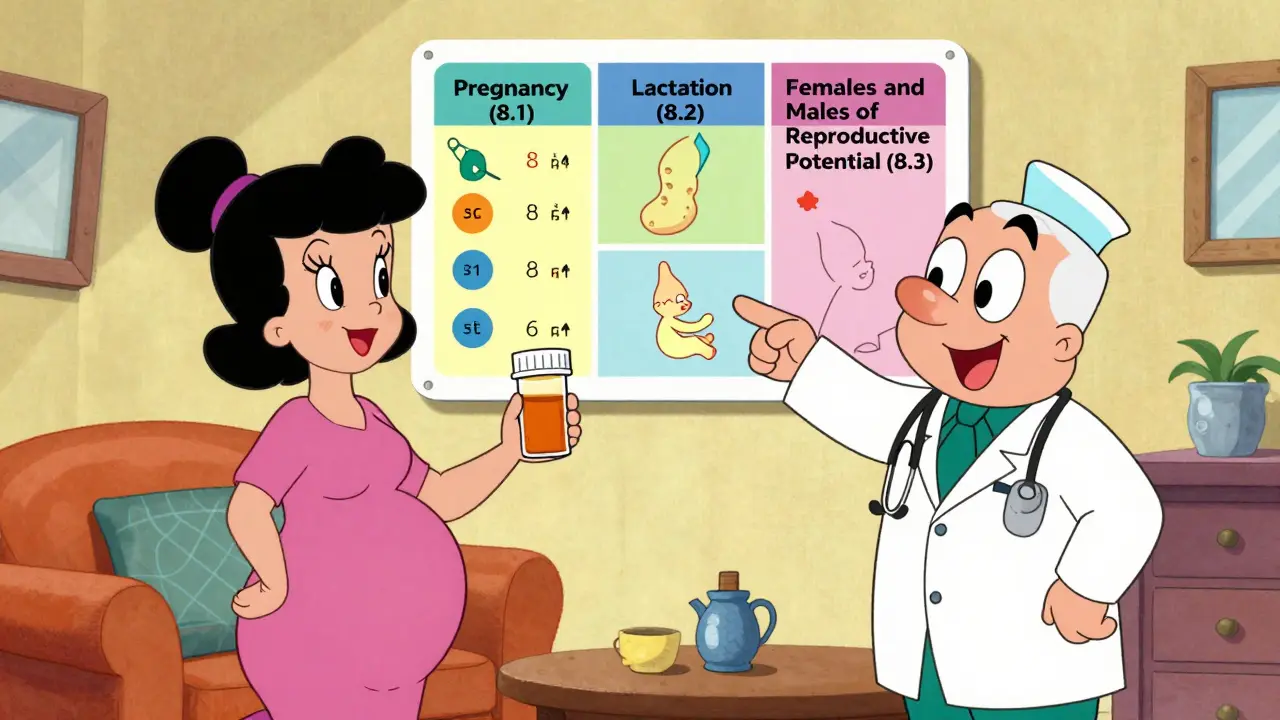
How to Read Pregnancy and Lactation Labeling on Drugs: A Clear Guide for 2026
Learn how to read the new FDA pregnancy and lactation drug labels that replaced outdated letter categories. Get clear guidance on risks, breastfeeding safety, and what to do when taking meds during pregnancy in 2026.
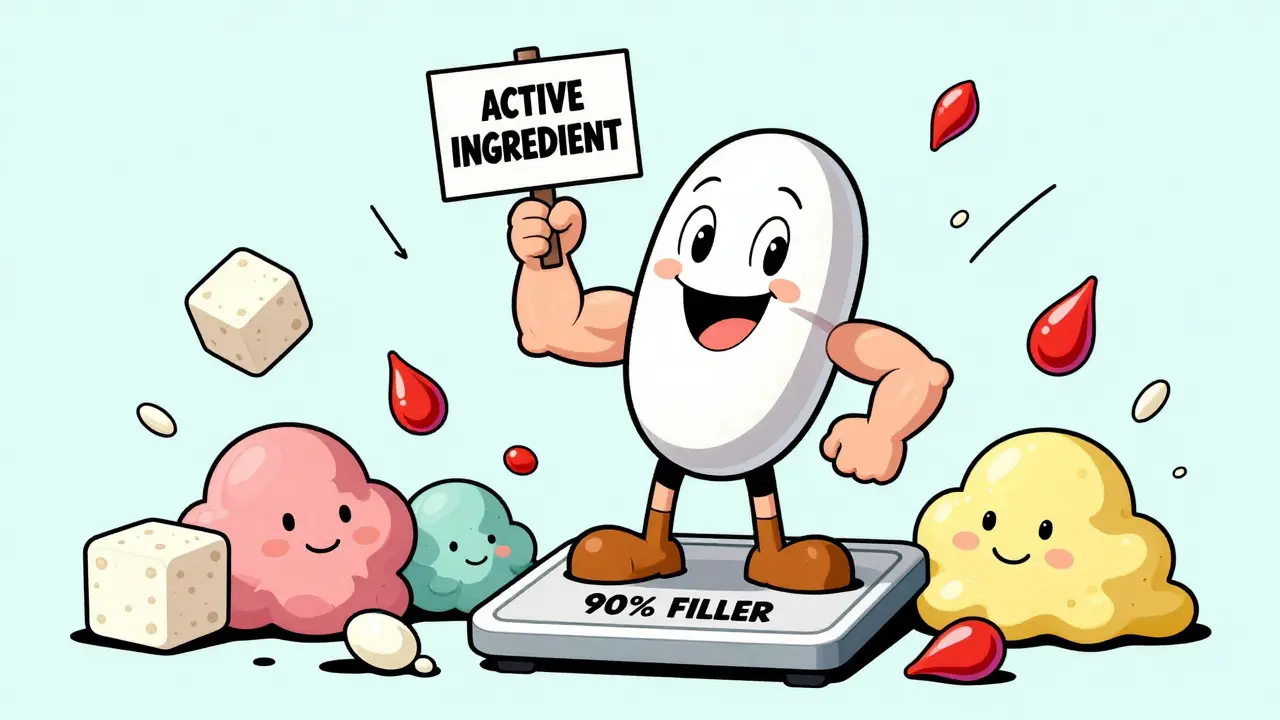
Active vs Inactive Drug Ingredients: Why the Difference Matters for Your Health
Active ingredients treat your condition. Inactive ingredients make the pill work - and sometimes cause side effects. Learn why both matter for your health and how to check what's really in your meds.
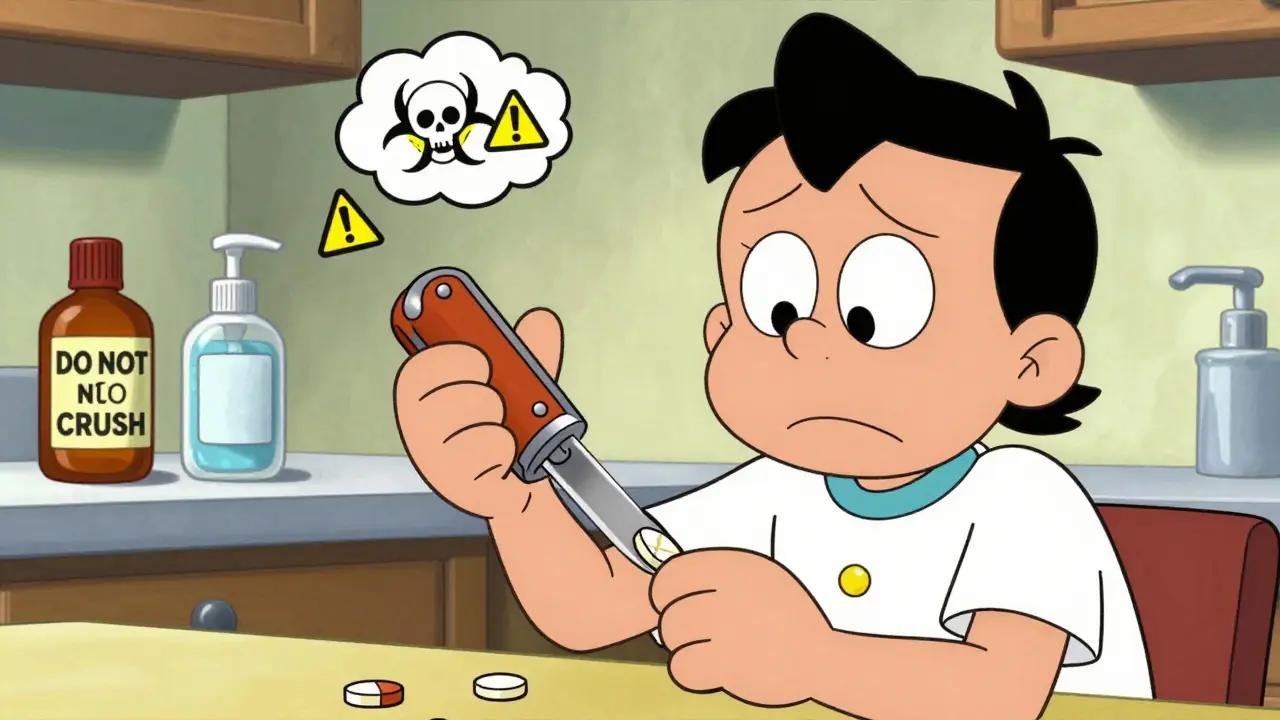
How to Avoid Contamination When Splitting or Crushing Pills: A Safe, Step-by-Step Guide
Learn how to split or crush pills safely without risking contamination, uneven doses, or exposure to hazardous drugs. Follow FDA and ISMP guidelines to protect yourself and others.
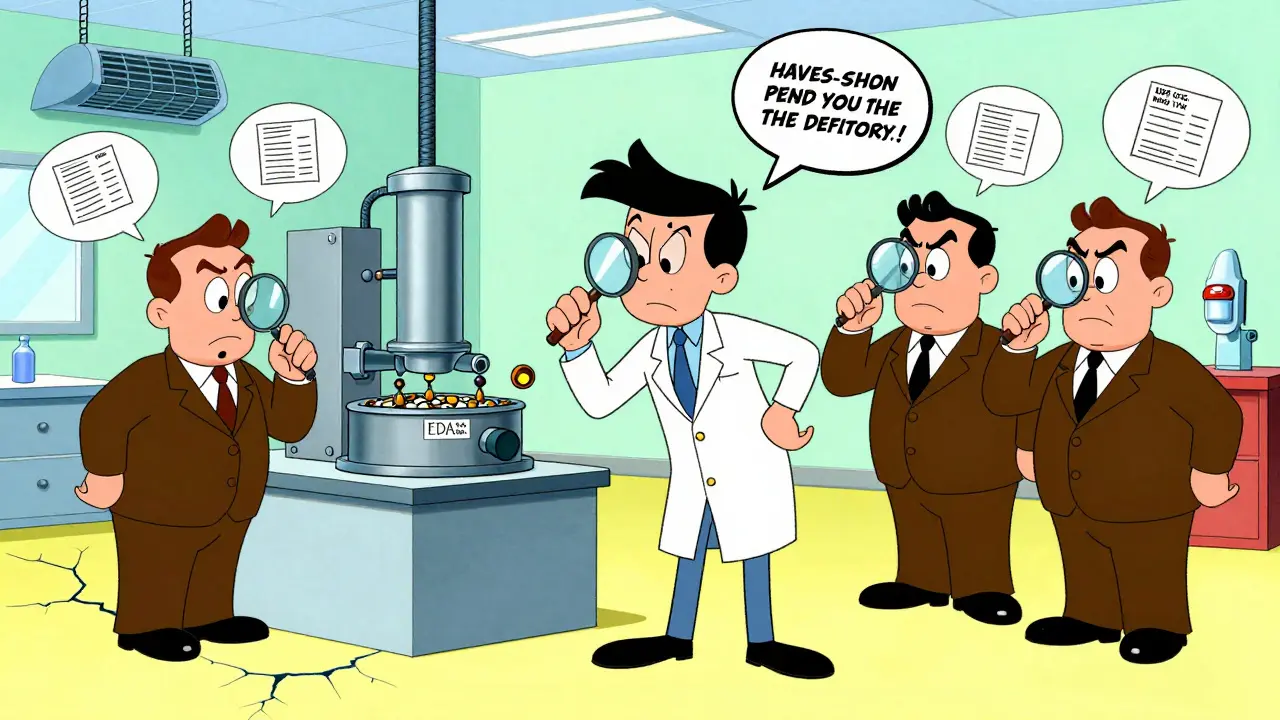
FDA Inspection of Generic Manufacturing Facilities: What to Expect in 2026
Understand what happens during an FDA inspection of generic drug manufacturing facilities in 2026, from the 6-system review to handling FDA 483 observations and preparing for Pre-Approval Inspections.
Recent-posts
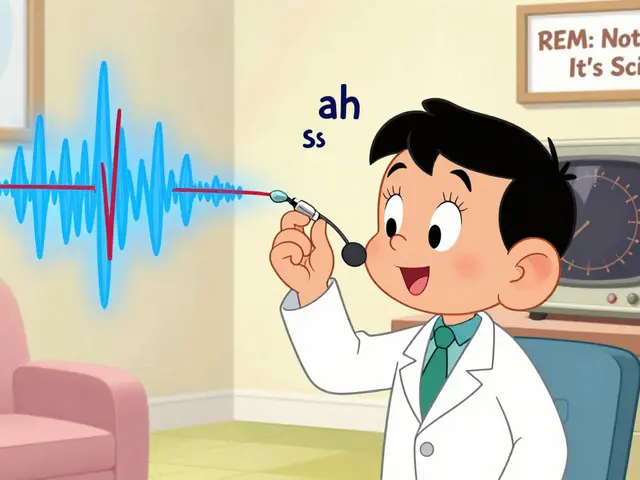
Hearing Aid Fitting: Why Real-Ear Measurements Are Non-Negotiable

10 Alternatives to Sertraline: Your Guide to Different Antidepressants
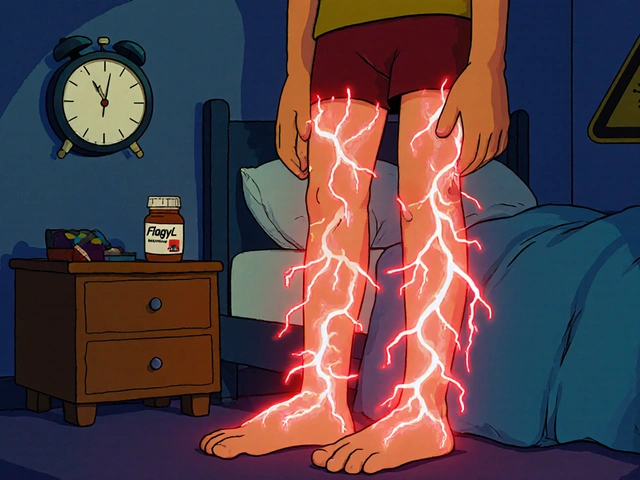
Metronidazole Neuropathy: Recognizing Numbness and Tingling Before It’s Too Late
Cheap Generic Abilify Online - Safe Buying Guide