
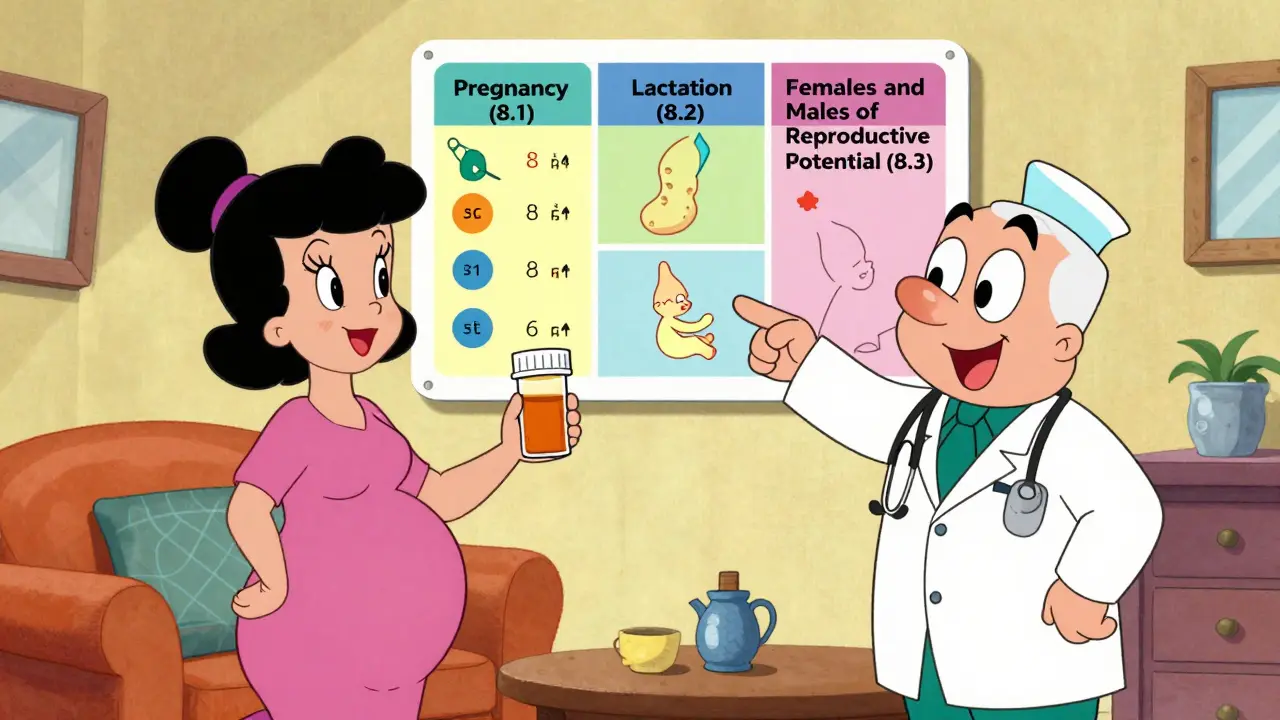
For years, doctors and patients relied on simple letter grades - A, B, C, D, X - to guess if a drug was safe during pregnancy. But those letters didn’t tell the whole story. They made people think a drug was either "safe" or "dangerous," when the truth is far more complicated. In 2015, the FDA replaced that outdated system with something much more useful: the Pregnancy and Lactation Labeling Rule (PLLR). Now, instead of a single letter, you get real details - numbers, timelines, risks, and data - to help make smarter choices. If you’re pregnant, breastfeeding, or helping someone who is, learning how to read these new labels isn’t just helpful - it’s essential.
What Changed with the FDA’s New Drug Labels?
Before June 30, 2015, drug labels used five letter categories to summarize pregnancy risk:- A: Human studies show no risk (less than 2% of drugs)
- B: Animal studies show no risk, but human data is limited (about 15% of drugs)
- C: Risk can’t be ruled out (70% of drugs - the catch-all)
- D: Evidence of human risk, but benefits may outweigh risks (about 10% of drugs)
- X: Contraindicated in pregnancy - clear danger (less than 1% of drugs)
How to Read the Pregnancy Section (8.1)
The Pregnancy section is the most detailed. It doesn’t say "safe" or "not safe." It tells you what you need to know to weigh the real risks. Risk Summary gives you the baseline. It starts by reminding you that every pregnancy carries a 3% chance of major birth defects and a 10-20% chance of miscarriage - even without any medication. Then it says: "This drug is associated with a 1.5-fold increased risk of neural tube defects." That doesn’t mean 1.5 out of every 10 babies will have a defect. It means the risk goes from 3% to 4.5%. That’s a real difference, but not a disaster. It also tells you when the risk happens. For example: "Exposure during the first trimester is linked to cardiac defects." That’s critical. If you’re taking a drug and you’re 12 weeks pregnant, you’re past the highest risk window. If you’re 6 weeks, you need to act. Clinical Considerations gives you action steps. This is where you find:- When to test for pregnancy before starting the drug
- What kind of birth control to use (and how effective it is)
- How often to monitor fetal growth
- Whether to adjust the dose during pregnancy
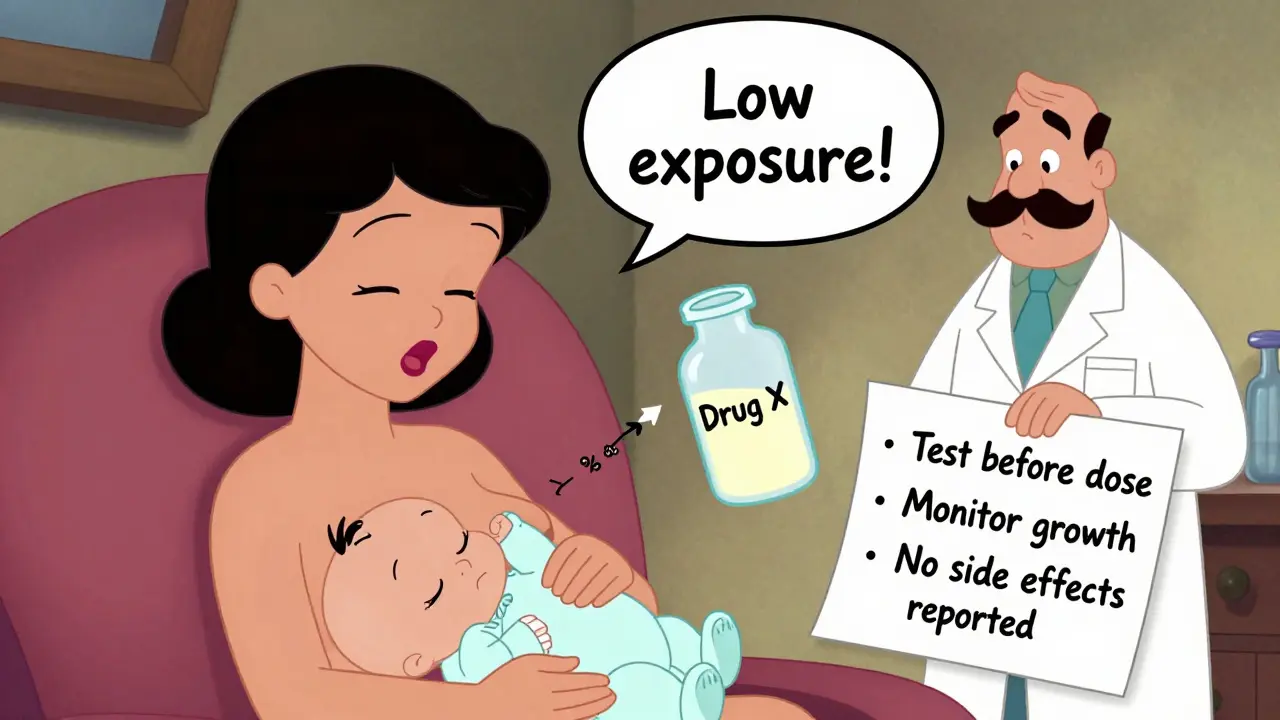
Understanding Lactation Labeling (8.2)
Breastfeeding and meds? The old system ignored this completely. Now, it’s required. The Lactation section answers three key questions:- How much of the drug gets into breast milk?
- Is the baby exposed to enough to cause harm?
- Are there documented side effects in infants?
What About Fertility and Contraception? (8.3)
This section isn’t just for women. It’s for anyone who can get pregnant - or whose partner can. It tells you:- Do you need a pregnancy test before starting the drug?
- What kind of birth control is required? (And what failure rate that method has)
- Is there a risk of infertility? And if so, is it reversible?
Why This Matters More Than You Think
You might think, "I’ll just ask my doctor." But doctors are busy. And many still rely on outdated memory or apps like MotherToBaby because the labels are too long to read quickly. A 2021 survey found that 64% of pharmacists say patients ask more questions about pregnancy risks now - and 78% spend 5-7 extra minutes counseling per prescription. That’s because the new labels are clearer, but they require time to understand. The real win? Better data. Since the PLLR started, pregnancy exposure registries - where women voluntarily report what meds they took and what happened to their babies - have grown from 5,000 pregnancies per year to over 25,000. That’s how we learn what’s truly safe. And it’s working.How to Use These Labels in Real Life
Here’s how to make sense of them when you’re in a hurry:- Start with Risk Summary. Look for the background risk (3% birth defects) and the drug’s added risk. Is it a small increase? Or a big one?
- Check the timing. Does the risk apply to the first trimester? Or later? If you’re past that window, your risk drops.
- Read Clinical Considerations. What do you need to do? Test? Contracept? Monitor? This tells you what’s actionable.
- Look at Lactation. Is the infant exposure under 10%? Are there any reported side effects? If yes, how many?
- Don’t skip Data. If the study had only 20 women, take it with a grain of salt. If it’s a 1,000-person study, trust it more.
What If the Label Is Still the Old Letter System?
Some older drugs - especially generics - still have the old A, B, C, D, X labels. That’s not because they’re unsafe. It’s because manufacturers were given until 2020 to update them. The FDA says all new drugs must use the new format. But many older ones haven’t been touched. If you see an old label, don’t assume it’s outdated. Instead, look up the drug on the FDA’s website or use MotherToBaby or TERIS (Teratogen Information System). These are free, trusted databases that translate old labels into the new narrative format.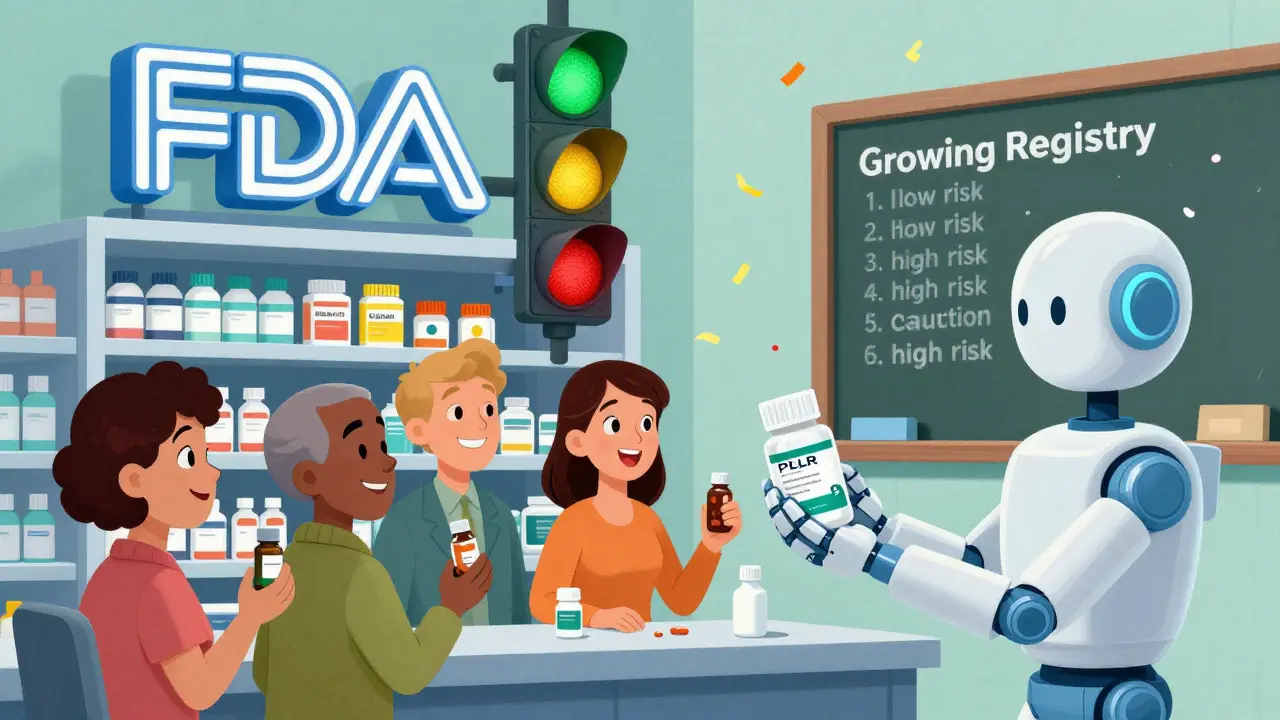
Common Mistakes People Make
- Mixing up relative and absolute risk. A "2-fold increase" sounds scary. But if the background risk is 1%, a 2-fold increase means 2%. That’s still low.
- Ignoring the timing. A drug might be risky only in the first 8 weeks. If you’re 20 weeks along, that risk doesn’t apply.
- Thinking "no data" means "dangerous." "No human studies" doesn’t mean "harmful." It just means we don’t know yet.
- Assuming breastfeeding = safe. Some drugs are safe in pregnancy but not in milk. Others are the opposite.
What’s Next for Drug Labeling?
The FDA is working on visual aids - simple icons that show risk levels at a glance. Think traffic lights: green for low risk, yellow for caution, red for high risk. That’s coming soon. By 2025, the FDA plans to update every pregnancy-related label. They’re also pushing for more diverse data - right now, only 15% of registry participants are Black or Hispanic, even though they make up 30% of U.S. pregnancies. Better data means better safety for everyone.When to Call Your Doctor
You don’t need to become an expert. But you should call your doctor if:- You’re trying to get pregnant and take a prescription
- You’re pregnant and started a new drug
- You’re breastfeeding and need to start or stop a medication
- The label says "use contraception" but you’re not sure which method works best
Are all drugs labeled with the new PLLR format now?
As of 2026, about 78% of prescription drugs in the U.S. use the new Pregnancy and Lactation Labeling Rule format. Most brand-name drugs updated their labels by 2020. Generic drugs and older medications may still show the old A, B, C, D, X system. Always check the FDA’s website or use trusted tools like MotherToBaby to confirm the latest labeling.
What does "infant exposure of 5% of maternal dose" mean?
This means that for every 100 milligrams of medication the mother takes, about 5 milligrams pass into her breast milk. The baby then absorbs a small portion of that. Most drugs with infant exposure under 10% are considered low risk, especially if the drug has poor oral absorption in infants. Always check for reported side effects in the label - exposure level alone doesn’t tell the whole story.
Can I trust pregnancy exposure registries?
Yes. These registries collect real-world data from women who take medications during pregnancy. Since the PLLR made them mandatory on labels, participation has grown from 5,000 to over 25,000 pregnancies annually. This data helps identify risks that clinical trials miss. While not perfect, they’re the best source we have for understanding how drugs affect real pregnancies.
Is a drug labeled "C" in the old system still risky under the new rules?
Not necessarily. The old "C" category meant "risk can’t be ruled out" - which covered everything from mild concerns to serious dangers. Under the new PLLR, the same drug might now say: "No increased risk of birth defects observed in 800 pregnancies" - meaning it’s likely safe. Always look up the current narrative label instead of relying on old letter grades.
Should I stop my medication if I find out I’m pregnant?
Never stop a prescribed medication without talking to your doctor. For many conditions - like epilepsy, depression, or high blood pressure - stopping treatment can be more dangerous than continuing it. The new PLLR labels help you and your doctor weigh the risks of the drug versus the risks of not treating your condition. Your health matters too.
Next Steps for Patients and Providers
If you’re a patient:- Ask your pharmacist or doctor: "Can you show me the current pregnancy and lactation label for this drug?"
- Bookmark MotherToBaby.org or call 1-866-626-6847 for free, expert advice.
- Use the FDA’s PLLR Navigator app to search drug labels on your phone.
- Update your clinical decision tools to include PLLR data.
- Use the FDA’s free training modules to refresh your knowledge.
- When in doubt, refer to pregnancy registries - they’re your best source for real-world outcomes.

Katie Mccreary
January 27, 2026 AT 17:58I saw a friend take Zoloft while pregnant and her kid had a cleft palate. Coincidence? Maybe. But I’m not risking it.
SRI GUNTORO
January 29, 2026 AT 00:41Why are we even allowing drugs in pregnancy? Nature knew better. Modern medicine thinks it’s smarter than God. This is how we end up with a generation of broken babies.
Kevin Kennett
January 29, 2026 AT 14:32Let’s be real - the old A-B-C-D-X system was garbage. I’ve seen residents panic over a Class C drug like it was anthrax. The new labels are a godsend. They don’t scare you - they inform you. If your doc still uses letters, ask for the PLLR version. It’s not hard to find.
Jess Bevis
January 30, 2026 AT 16:18Just got back from India - no one here even knows this exists. We rely on grandmas and Google. This system? It’s revolutionary. The US should export it.
Howard Esakov
January 31, 2026 AT 05:32Oh wow, the FDA finally did something useful. 🙄 I’m shocked. Also, the app? It’s called PLLR Navigator? That’s not branding - that’s a government internship project. Still, better than nothing. I guess.
Rhiannon Bosse
February 1, 2026 AT 06:30So let me get this straight - you’re telling me that the same drug that was labeled "C" before is now "no increased risk in 800 pregnancies"? And we’re supposed to trust this? 😏 What about the 300 cases they didn’t report? The ones that got miscarried and nobody logged? The system’s still rigged. They just made it prettier.
Bryan Fracchia
February 2, 2026 AT 15:57It’s not about fear. It’s about awareness. We’ve spent decades treating pregnancy like a medical emergency instead of a natural process. This system doesn’t say "don’t take meds." It says "know what you’re doing." And that’s the most empowering thing a doctor can give you.
fiona vaz
February 3, 2026 AT 05:10I’m an OB nurse. The new labels changed how I counsel patients. No more "it’s probably fine" or "avoid everything." Now I can say, "Here’s the actual exposure level, here’s what we monitor, here’s the data." Patients leave calmer. That’s huge.
Sue Latham
February 4, 2026 AT 08:02Oh honey, if you’re using the PLLR Navigator app, you’re already behind. I’ve been reading the full clinical data since 2018. You think the FDA’s doing this for you? No. They’re doing it because Big Pharma got sued too many times. But hey - I’ll take the truth, even if it’s corporate-driven.
Lexi Karuzis
February 5, 2026 AT 12:00Wait - so now they’re saying "no adverse effects in 50 infants"? But what about the 12 that weren’t counted because their moms didn’t report? And what about the ones who developed autism at age 3? They don’t track that! This is all a lie! They’re gaslighting us with statistics! I’ve seen the documents - they’re hiding the real numbers!
Brittany Fiddes
February 6, 2026 AT 10:51Of course the Americans think this is brilliant. We in the UK have had proper, evidence-based pregnancy guidelines since the 90s. You’re still playing catch-up with your letter grades. Honestly, it’s embarrassing. But at least you’re finally moving in the right direction. Sort of.
Linda O'neil
February 8, 2026 AT 08:20If you’re pregnant and scared - stop scrolling. Go to MotherToBaby. Call them. They’ll talk you through it, no judgment. You’re not alone. And you’re not crazy for wanting to protect your baby. This system? It’s here to help you do that - without fearmongering.
James Dwyer
February 8, 2026 AT 19:00My wife took metformin during her pregnancy. The label said infant exposure <5%, no reported side effects. We used it. Baby’s 4 now, healthy as a horse. This system works. Trust the data, not the noise.