
Medication Drowsiness Risk Calculator
How Likely Are You to Experience Drowsiness?
Select medications you're taking. We'll assess your risk and suggest management strategies based on your inputs.
Your Risk Assessment
Personalized Management Tips
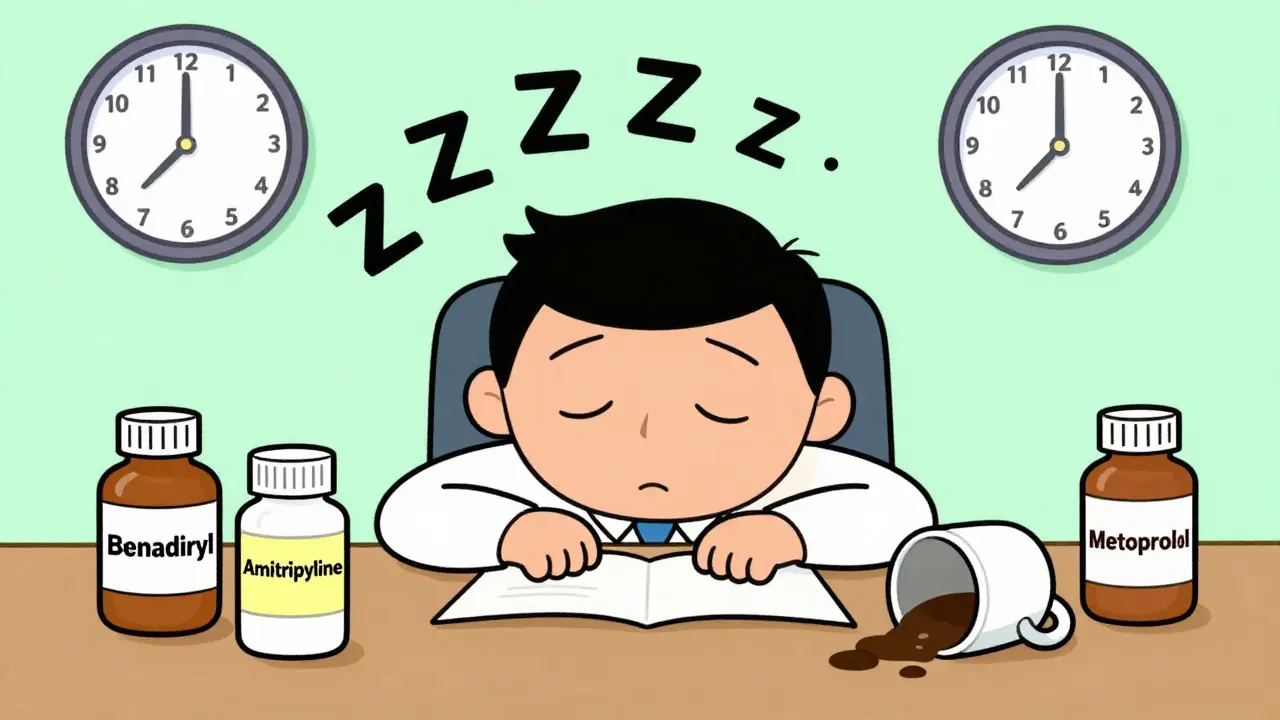
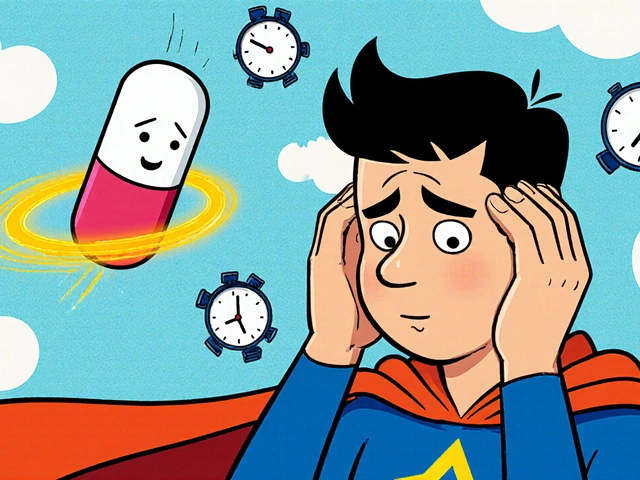
Feeling sleepy after taking your morning pill isn’t just in your head-it’s a real, well-documented side effect of many common medications. You’re not alone if you’ve nodded off at your desk, struggled to stay awake during a drive, or felt like you’re running on empty even after a full night’s sleep. Medication-induced drowsiness affects 15-20% of adults, and for many, it’s not just annoying-it’s dangerous.
Why Do Some Medications Make You So Tired?
It all comes down to how drugs interact with your brain. Many medications slow down activity in your central nervous system (CNS), which controls alertness, breathing, and movement. This effect is intentional for some drugs-like sleeping pills or anxiety meds-but for others, it’s an unexpected side effect.Antihistamines, often taken for allergies, are one of the biggest culprits. Drugs like diphenhydramine (Benadryl) and hydroxyzine (Vistaril) block histamine, a chemical that helps keep you awake. About 50-70% of people who take these report feeling drowsy. Even over-the-counter versions can leave you groggy for hours.
Tricyclic antidepressants like amitriptyline and doxepin work by changing brain chemicals to lift mood, but they also hit receptors tied to sleep. Around 30-40% of users say they feel constantly tired, even after weeks of use. Benzodiazepines like Xanax and Valium, used for anxiety and insomnia, can cause drowsiness that lasts from a few hours to several days, depending on how long the drug stays in your system.
Even heart medications like beta-blockers (atenolol, metoprolol) can make you feel drained. They lower heart rate and blood pressure, which can reduce energy flow throughout your body. About 10-15% of people on these drugs report persistent fatigue. Opioids, muscle relaxants, and even some antibiotics and antivirals can add to the list. And here’s the scary part: combining these-like taking an opioid with a benzodiazepine-can slow your breathing to dangerous levels. In 2021, over 16,700 overdose deaths in the U.S. involved this dangerous mix.
Who’s Most at Risk?
Older adults are especially vulnerable. The American Geriatrics Society’s 2023 Beers Criteria found that 34% of medications commonly prescribed to seniors cause drowsiness. That’s one in three pills. Combine that with slower metabolism, reduced kidney function, and the fact that many seniors take multiple drugs, and the risk of falls, confusion, and accidents skyrockets. Studies show medication-induced drowsiness contributes to 20-30% of falls in people over 65.People with chronic conditions like pain, depression, or epilepsy are also more likely to be on multiple drowsiness-causing drugs. A Reddit user named SleepyInSeattle shared how taking just 10mg of amitriptyline made them sleep 14 hours a day. It wasn’t laziness-it was the medicine.
And here’s something most people don’t realize: many don’t connect their fatigue to their meds. A 2023 study found that 78% of patients took an average of 4.2 months before realizing their sleepiness was drug-related. By then, their jobs, relationships, and safety were already at risk.
What You Can Do to Fight the Sleepiness
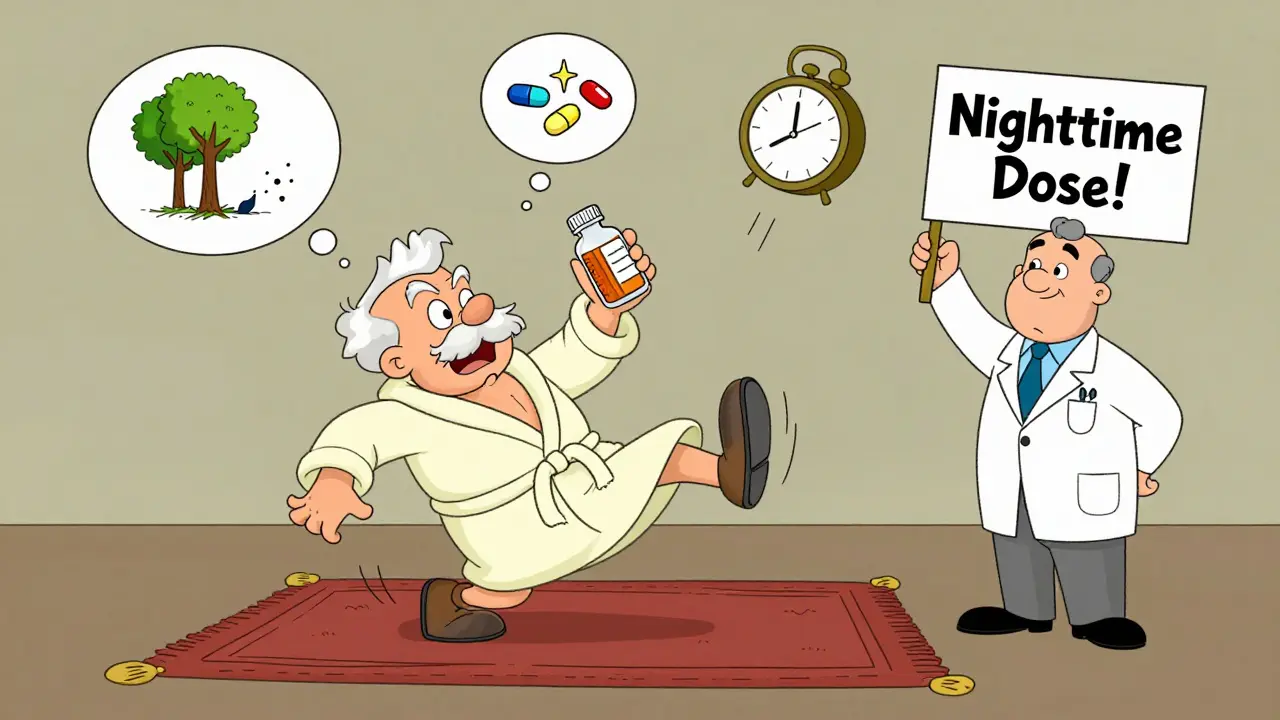
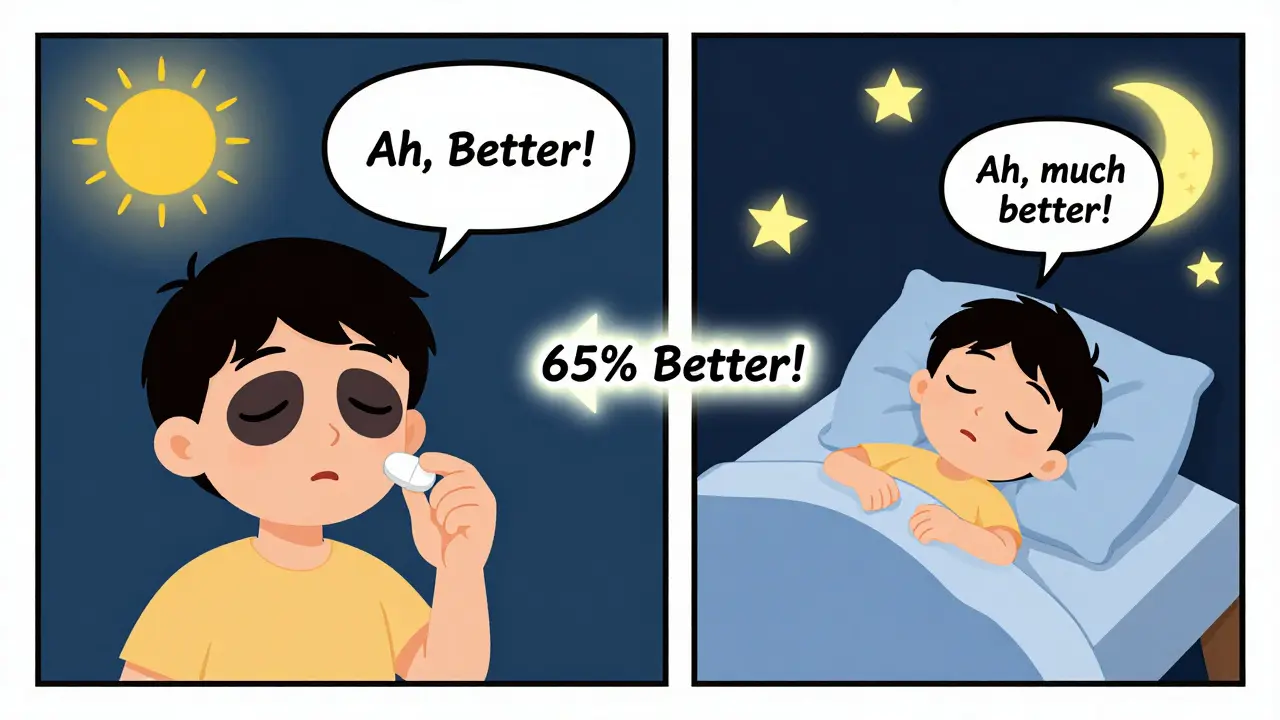
The good news? You don’t have to just live with it. There are real, proven ways to reduce or even eliminate medication-induced drowsiness.1. Take your meds at night. This is the simplest fix-and it works for most people. If your doctor says it’s safe, shift your dose to bedtime. Harvard Health found that 65% of patients saw major improvement just by doing this. Scene Health’s data showed a 50-70% drop in daytime sleepiness when people took drowsy meds at night. That means you sleep through the side effect instead of fighting it all day.
2. Swap to non-sedating alternatives. Many drugs now have less sleepy versions. First-gen antihistamines like diphenhydramine? Switch to loratadine (Claritin) or cetirizine (Zyrtec). These second-gen options are just as effective for allergies but cause drowsiness in less than 10% of users. Beta-blockers? Propranolol can be swapped for nebivolol, which many patients say eliminates afternoon crashes without losing blood pressure control.
3. Avoid alcohol and caffeine at the wrong times. Alcohol multiplies CNS depression. Even one drink with your pain pill can be risky. Caffeine might seem like a quick fix, but if you drink coffee after noon, it can wreck your sleep-and make your daytime fatigue worse the next day. It’s a trap: you use caffeine to fight drowsiness, but then you can’t sleep, so you’re more tired tomorrow.
4. Move more, even a little. Light daily exercise-like a 20-30 minute walk-can boost energy levels and improve sleep quality. Scene Health’s data showed a 30-40% improvement in fatigue scores when patients combined exercise with better sleep habits. You don’t need to run a marathon. Just get moving.
5. Stay hydrated. Dehydration makes drowsiness worse. Medications can dry you out, and if you’re not drinking enough water, your body feels even more drained. Aim for at least 8 glasses a day, more if you’re active or in hot weather.
When to Call Your Doctor
Don’t stop taking your meds on your own. Abruptly quitting things like antidepressants or benzodiazepines can trigger serious withdrawal symptoms-like seizures, anxiety spikes, or even serotonin syndrome. One study found 15-20% of people who stopped antidepressants suddenly developed this dangerous condition.Instead, talk to your doctor if:
- You’re falling asleep while driving or operating machinery
- Your drowsiness is affecting your job, relationships, or safety
- You’ve tried timing changes and lifestyle fixes but still feel exhausted
- You’re taking more than one drowsiness-causing drug
Your doctor might adjust your dose, switch you to a different medication, or check for other causes like sleep apnea or thyroid issues. Sometimes, the fix is simple: a different pill, a different time, or a different dose.
New Tools and Future Options
Science is catching up. The FDA approved solriamfetol (Sunosi) in 2023 to treat excessive sleepiness from narcolepsy and sleep apnea. Some doctors are now using it off-label for medication-induced drowsiness, especially when other options fail.Genetic testing is also emerging. Companies like GeneSight offer tests that analyze how your body processes certain drugs. Early data shows a 35% drop in side effects when doctors use these results to pick meds. If you’re on multiple psychiatric or pain meds, this could be worth exploring.
And tech is helping too. AI-powered apps now track your meds, sleep, and energy levels, alerting you to patterns you might miss. But the CDC still says the most powerful tool is education. Their 2022 study showed a 40% drop in ER visits when patients got clear, personalized advice about side effects.
What to Remember
Drowsiness from meds isn’t weakness. It’s biology. Millions of people experience it. But it’s not something you have to accept. You have options. You can talk to your doctor, adjust your routine, and sometimes just switch one pill to feel like yourself again.Keep a log: write down what you take, when, and how you feel. Bring it to your next appointment. Don’t wait months to speak up. Your energy, your safety, and your quality of life matter.
Can over-the-counter allergy meds cause drowsiness?
Yes. First-generation antihistamines like diphenhydramine (Benadryl) and chlorpheniramine (Chlor-Trimeton) cause drowsiness in 50-70% of users. They’re designed to cross the blood-brain barrier, which is why they help with sleep but also make you sleepy during the day. Switch to second-generation options like loratadine (Claritin) or cetirizine (Zyrtec)-they’re just as effective for allergies but rarely cause sleepiness.
Is it safe to drink coffee to fight medication-induced sleepiness?
It can help in the short term, but it’s not a long-term solution. Caffeine might keep you awake during the day, but if you consume it after noon, it can disrupt your nighttime sleep. Poor sleep makes drowsiness worse the next day, creating a cycle. Better to fix the root cause-like timing your meds at night or switching to a non-sedating alternative.
Can I stop my medication if it makes me too sleepy?
No. Stopping certain meds suddenly-especially antidepressants, benzodiazepines, or blood pressure drugs-can cause dangerous withdrawal symptoms like seizures, anxiety, high blood pressure, or serotonin syndrome. Always talk to your doctor first. They can help you taper off safely or switch to a better option.
Why does drowsiness get worse when I take multiple medications?
Many drugs work the same way: they slow down your central nervous system. When you take two or more of these together-like a painkiller, a muscle relaxant, and an anxiety med-their effects add up. This is called cumulative CNS depression. It’s why combining opioids and benzodiazepines can be life-threatening. Always tell your doctor and pharmacist about every medication and supplement you take.
Are there any medications that cause drowsiness but aren’t obvious?
Yes. Many people don’t realize that beta-blockers for high blood pressure, certain antibiotics like azithromycin, or even some antivirals can cause fatigue. Even medications for Parkinson’s disease or epilepsy can make you feel tired. If you’re on multiple drugs and feel constantly drained, it’s worth reviewing all of them with your doctor-not just the ones you think are sleep-inducing.
How long does it take for the body to adjust to drowsiness from a new medication?
For many, drowsiness improves after 2-4 weeks as the body adapts. But not always. Tricyclic antidepressants and some antihistamines often cause lasting fatigue. If you’re still feeling excessively sleepy after a month, don’t assume it’s normal. Talk to your doctor-you might need a different medication or dosage.

Sheryl Dhlamini
January 29, 2026 AT 12:59Doug Gray
January 30, 2026 AT 14:09LOUIS YOUANES
January 30, 2026 AT 19:29Laia Freeman
February 1, 2026 AT 10:05paul walker
February 3, 2026 AT 03:52Alex Flores Gomez
February 5, 2026 AT 03:38Frank Declemij
February 7, 2026 AT 01:55Pawan Kumar
February 7, 2026 AT 13:32Ryan Pagan
February 8, 2026 AT 09:01Paul Adler
February 8, 2026 AT 20:39Robin Keith
February 9, 2026 AT 16:44