Drug Shortages: What Causes Them and How to Stay Protected
When your doctor prescribes a medication and the pharmacy says drug shortages are holding up your refill, it’s not just an inconvenience—it’s a health risk. drug shortages, a situation where the supply of a medication falls below what’s needed to meet patient demand. Also known as medication supply gaps, they happen when manufacturers can’t produce enough, raw materials are delayed, or regulatory issues shut down a factory. These aren’t rare glitches—they’ve been rising for over a decade, hitting everything from antibiotics to insulin and even common painkillers like acetaminophen.
Behind every shortage is a chain of problems: a single factory making 80% of a drug, supply chain disruptions from global events, or companies choosing to stop making low-profit medications. The pharmaceutical supply chain, the network of manufacturers, distributors, and regulators that get drugs from labs to pharmacies is fragile. When one link breaks, prescriptions stall. And it’s not just about running out of pills—generic drug supply, the backbone of affordable treatment for millions is especially vulnerable. Many generics are made overseas, and a single quality control failure overseas can ripple across the U.S. and beyond. That’s why you might suddenly get switched to a different brand or dose, or be told to wait weeks for your usual medicine.
When drug shortages hit, you’re not powerless. You can ask your pharmacist for alternatives, check the FDA’s official shortage list, or talk to your doctor about switching to a similar drug with better availability. Some shortages lead to dangerous substitutions—like swapping a heart medication for one that doesn’t work the same way. Others force people to skip doses, which can trigger relapses or complications. The posts below cover real cases: how acetaminophen shortages push people toward risky combos, how insurance changes make generic switches harder during supply crunches, and how to verify if a drug recall is real or just fear-mongering. You’ll find guides on reading interaction warnings, spotting unsafe substitutions, and what to do when your go-to medication disappears. This isn’t about panic—it’s about knowing your rights, asking the right questions, and staying in control when the system falters.
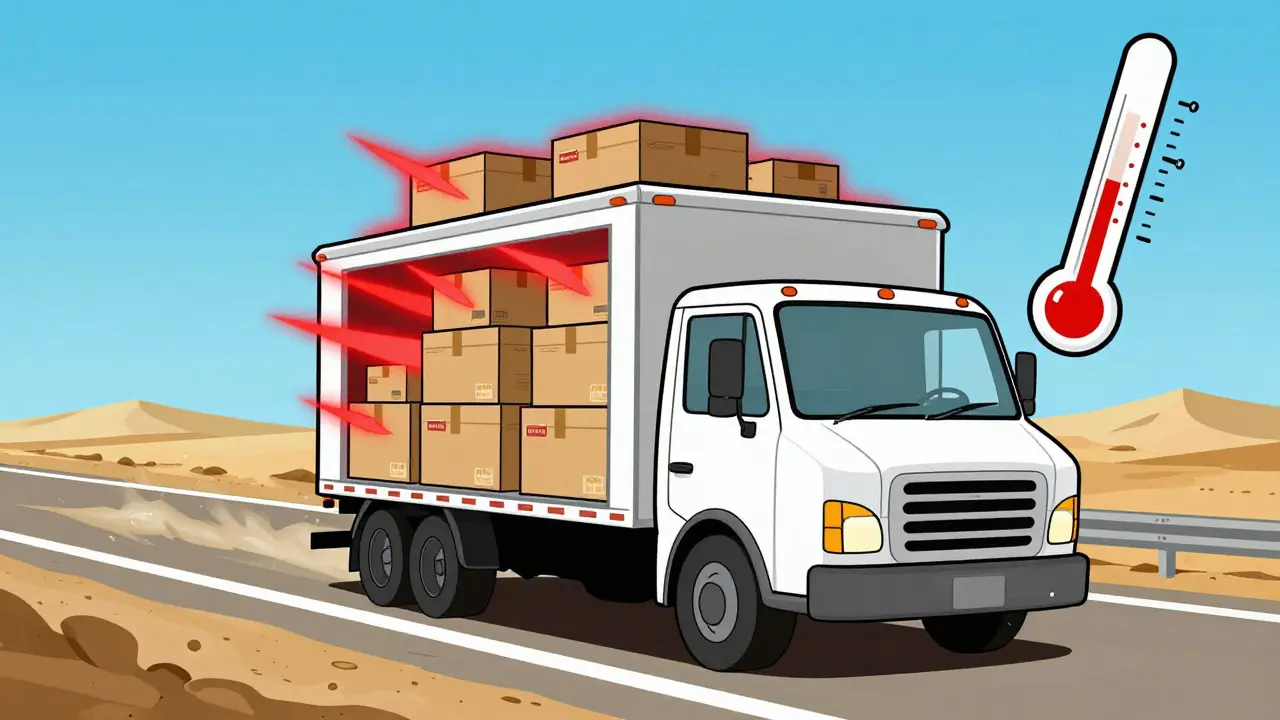
Pharmaceutical Supply Chain Quality: How Medication Safety Relies on Invisible Systems
Deep dive into how pharmaceutical supply chain quality affects patient safety. Covers drug shortages, counterfeiting risks, and tech solutions like blockchain. Includes real failure stories and actionable prevention steps.
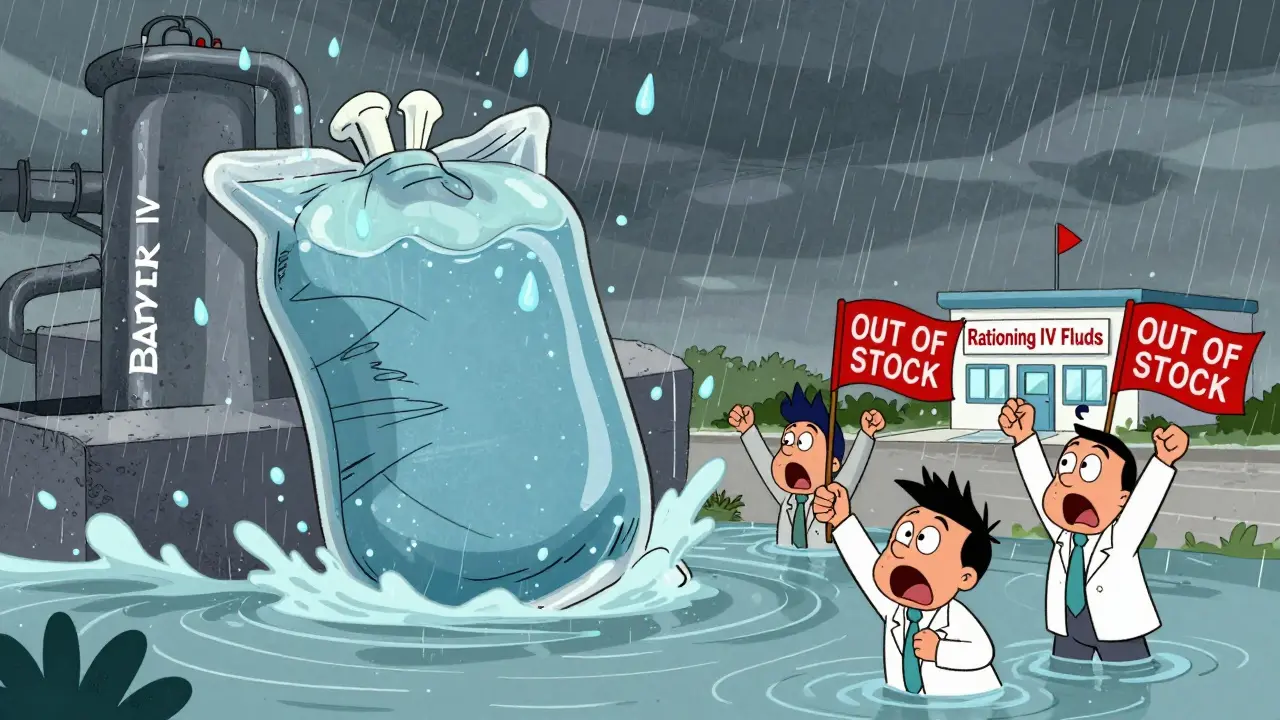
Natural Disasters and Drug Shortages: How Climate Change Is Breaking the Medicine Supply Chain
Climate change is worsening drug shortages by damaging pharmaceutical factories in hurricane- and flood-prone areas. With key drugs made in just one or two locations, even one storm can cut off life-saving medicines nationwide.
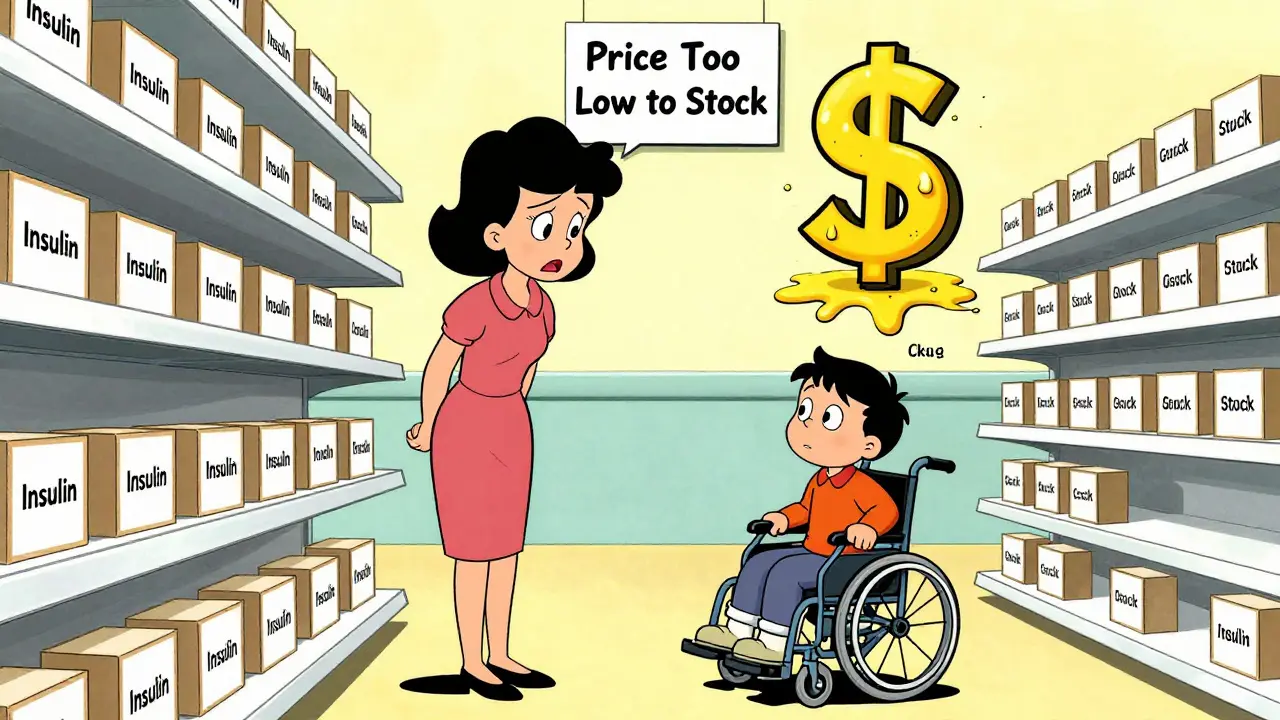
Pricing Pressure and Shortages in Healthcare: How Supply Chains Are Driving Up Costs and Limiting Access
Pricing pressure and shortages in healthcare are making essential medicines harder to get and more expensive. Supply chain breakdowns, low generic drug prices, and global manufacturing reliance are driving real risks to patient care.
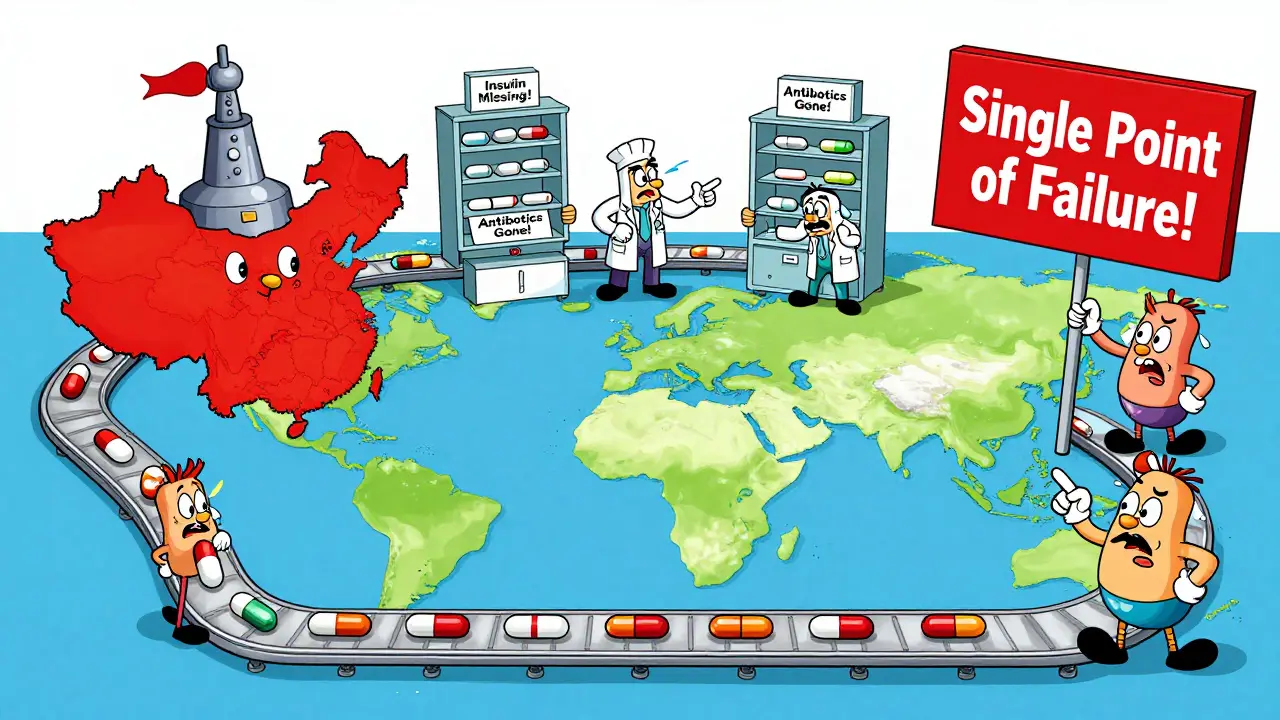
Preventive Measures for Building Resilient Pharmaceutical Supply Chains
Drug shortages aren't accidents-they're systemic failures. Learn how resilient pharmaceutical supply chains use diversification, technology, and strategic stockpiling to prevent life-threatening gaps in essential medications.
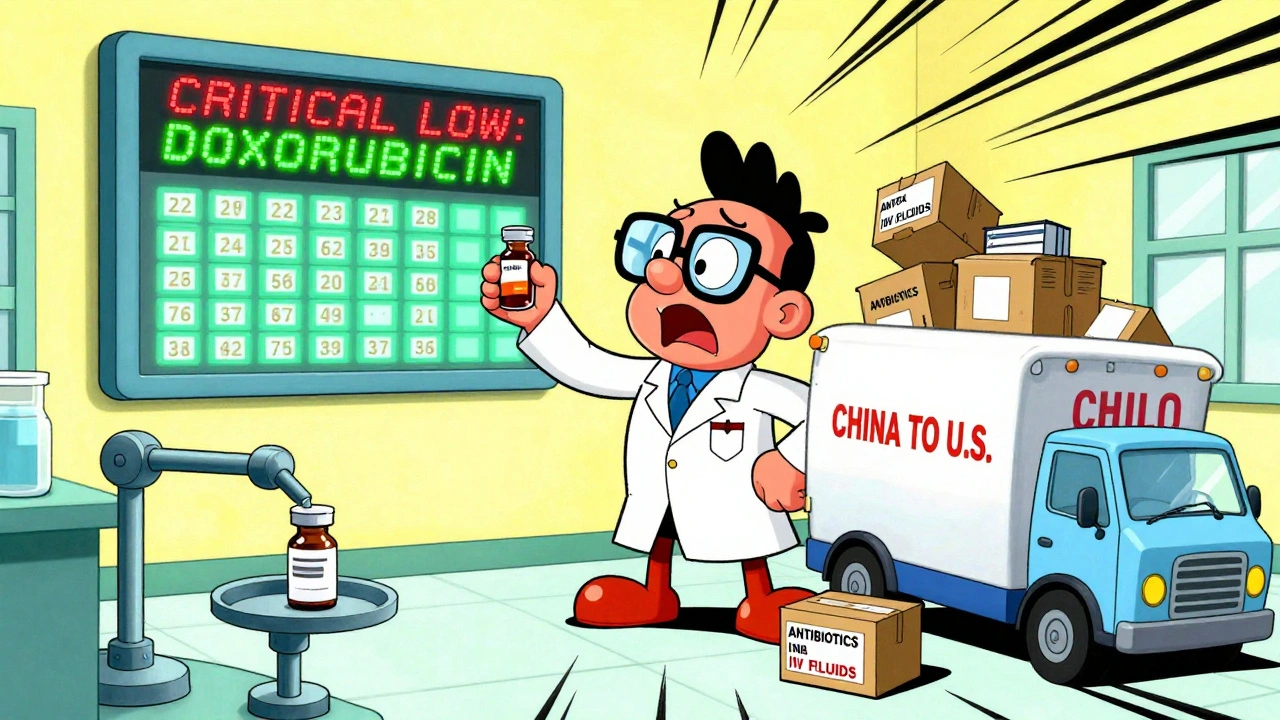
Shortage Mitigation Strategies: How Health Systems Are Responding to Drug Shortages
Health systems are using real-time tracking, local manufacturing, AI forecasting, and policy advocacy to combat critical drug shortages. From hospital-made injectables to FDA emergency waivers, here's how providers are keeping patients covered.
Recent-posts

Buy Cheap Generic Levitra Online - Fast, Safe & Affordable

How Gut Problems Trigger Skin Rashes: What You Need to Know

Why Regular Follow‑up Appointments Are Crucial for Latanoprost Users

Duphaston (Dydrogesterone) vs Alternatives: Which Progestin Is Right for You?