Tylenol Overdose: Signs, Risks, and What to Do If You've Taken Too Much
When you take Tylenol, a common brand of acetaminophen used for pain and fever. Also known as acetaminophen, it's one of the most widely used pain relievers in the world—but it's also one of the most dangerous if taken in excess. Unlike aspirin or ibuprofen, Tylenol doesn’t irritate your stomach, which is why so many people reach for it daily. But that safety illusion is deadly. Just a few extra pills over a short time can cause irreversible liver damage, and many people don’t realize they’ve crossed the line until it’s too late.
Acetaminophen overdose is the leading cause of acute liver failure in the U.S. and the UK. The problem isn’t always intentional—it’s often accidental. Someone takes Tylenol for a headache, then another for a fever later, then a sleep aid that also contains it, and suddenly they’ve hit 6,000 mg in 24 hours. The safe daily limit? 3,000 to 4,000 mg depending on your health. And if you drink alcohol regularly? That limit drops even lower. The liver processes acetaminophen into harmless byproducts—but when overwhelmed, it starts producing a toxic compound that destroys liver cells. Symptoms don’t show up right away. You might feel fine for 12 to 24 hours, then suddenly get nauseous, sweaty, or dizzy. By then, the damage is already spreading.
That’s why knowing the signs matters. Early symptoms include loss of appetite, nausea, vomiting, and stomach pain. Later, you might notice yellowing skin or eyes, dark urine, confusion, or extreme fatigue. If you suspect an overdose, don’t wait. Go to the ER. There’s an antidote—N-acetylcysteine—that works best if given within eight hours. Waiting even a few hours can mean the difference between full recovery and a liver transplant.
Many people don’t realize how many products contain acetaminophen. Cold medicines, sleep aids, prescription painkillers like Vicodin or Percocet—all often include it. You can easily double up without knowing. That’s why checking labels isn’t optional. It’s life-saving. And if you’re on long-term pain management, talk to your doctor about alternatives. There are safer options for chronic pain, especially if you have liver issues, drink alcohol, or take other medications.
This collection of posts dives into the hidden risks of common medications—how they interact, how they harm, and how to use them without putting your health at risk. You’ll find real stories and science-backed advice on drug toxicity, liver strain from everyday pills, and how to avoid silent overdoses. Whether you’re managing pain, helping an older relative, or just want to know what’s really in your medicine cabinet, these guides give you the facts you need to stay safe.
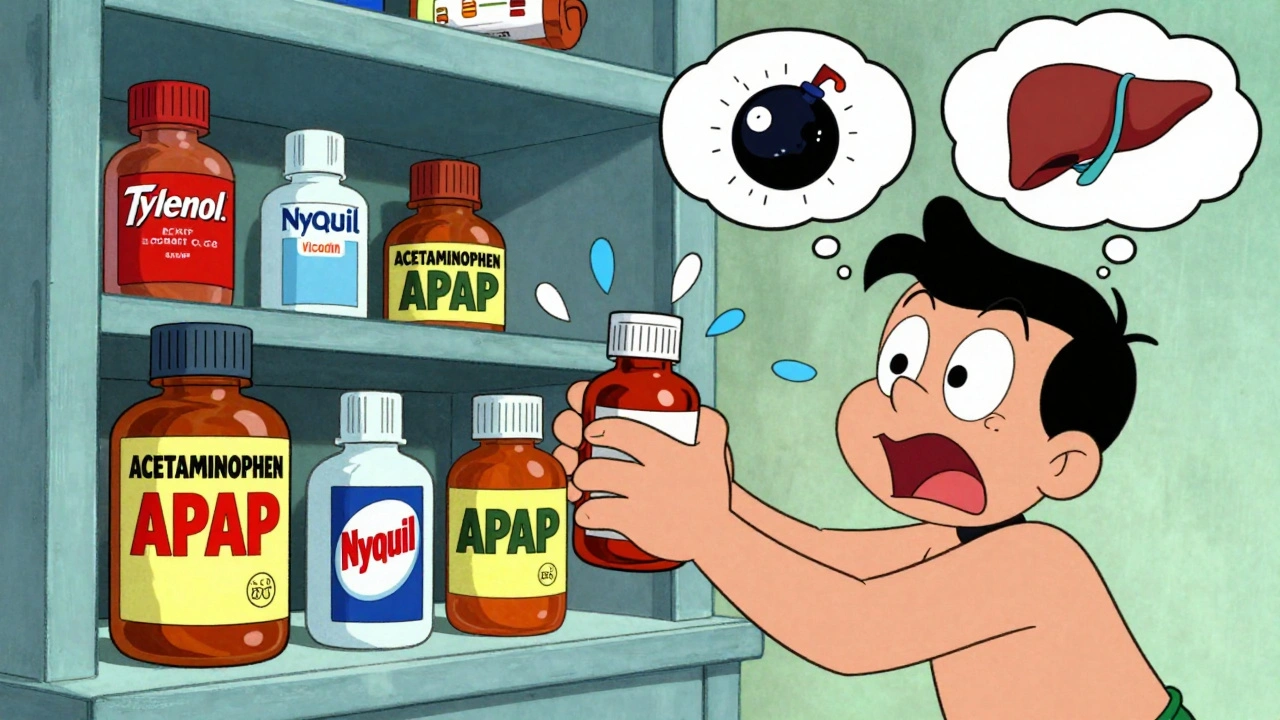
Acetaminophen Safety: How to Avoid Overdose and Protect Your Liver
Acetaminophen is safe when used correctly, but accidental overdose can cause severe liver damage or death. Learn the real risks, how to avoid hidden sources in meds, and what to do if you've taken too much.

How to Prevent Liver Injury from Acetaminophen Combination Products
Acetaminophen combination products like Vicodin and Percocet can cause serious liver damage if taken with other medications containing acetaminophen. Learn how to avoid accidental overdose and protect your liver.
Recent-posts

Revolutionize Your Health with Chaulmoogra: The Must-Try Dietary Supplement

Exploring 2025: Discovering 7 Groundbreaking Alternatives to Propecia for Hair Loss
The Use of Fosfomycin in the Management of Pneumonia
Maxalt (Rizatriptan) vs. Other Migraine Medications: What Works Best?