

Hypoglycemia Risk Estimator
Enter your blood glucose level to check hypoglycemia risk for older adults with diabetes
Risk Assessment
Hypoglycemia isn't just a nuisance for older adults with diabetes-it's a serious health threat. Studies show they experience 2.3 times more low blood sugar episodes than younger adults, with each episode increasing fall risk by 40% and hip fracture risk by 25%. Why? Aging changes how the body handles low glucose, and many symptoms like confusion or dizziness get mistaken for normal aging.
What Is Hypoglycemia?
The American Diabetes Association (ADA) defines hypoglycemia as blood glucose below 70 mg/dL. They categorize it into three levels: Level 1 (54-69 mg/dL), Level 2 (<54 mg/dL), and Level 3 (severe events requiring assistance from others).
For older adults, even mild hypoglycemia (Level 1) can be dangerous. Unlike younger people who feel shaky at 60-65 mg/dL, older adults often don't notice symptoms until blood sugar drops below 50 mg/dL. This delayed warning is why hypoglycemia frequently goes undetected in this population.
Why Older Adults Face Higher Hypoglycemia Risks
Several age-related factors make hypoglycemia more dangerous. First, the body's counter-regulatory hormones-like epinephrine and glucagon-respond 30-50% less effectively to low blood sugar in older adults. This means fewer warning signs like sweating or trembling. Second, many older adults have multiple health conditions and take several medications. For example, chronic kidney disease increases severe hypoglycemia risk by 2.7-fold. Third, hypoglycemia unawareness affects 25% of older adults with type 1 diabetes and 15-20% with type 2 diabetes, leaving them unaware until it's too late.
Severe Consequences of Hypoglycemia in Older Adults
Each hypoglycemic episode in older adults carries serious risks. Research shows a 40% higher chance of falls, 25% higher risk of hip fractures, and 30% increased cardiovascular events. A five-year study found severe hypoglycemia linked to 2.5 times higher mortality rates. While some of this is due to underlying health issues, hypoglycemia directly accelerates cognitive decline-recurrent episodes raise the risk of new cognitive impairment by 1.8 times over two years.
Medication Risks and Safer Alternatives
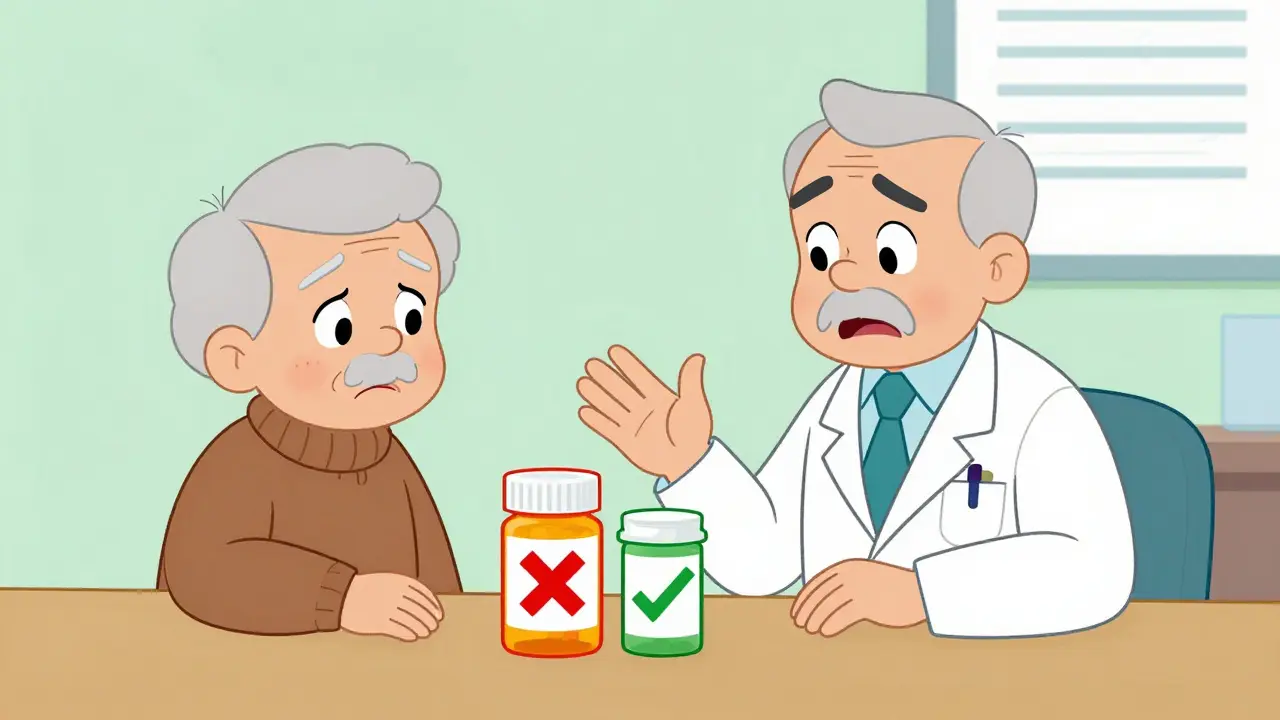
Some diabetes medications significantly raise hypoglycemia risk. Long-acting sulfonylureas like glyburide increase severe hypoglycemia by 50% compared to glipizide, leading the American Geriatrics Society Beers Criteria to label glyburide as potentially inappropriate for older adults. Insulin therapy also requires careful adjustment. One real-world case showed reducing insulin from 40 units to 20 units weekly prevented lows while keeping A1c at 7.8%. Experts recommend reviewing all medications regularly and considering alternatives like GLP-1 agonists or SGLT2 inhibitors, which have lower hypoglycemia risk.
Using Continuous Glucose Monitoring for Prevention
Continuous glucose monitoring (CGM) devices like Dexcom G7 or Abbott FreeStyle Libre 3 can reduce hypoglycemia by 40% in older adults. However, only 15% currently use them due to cost and provider unfamiliarity. Medicare covers CGMs for insulin-treated patients but not those on sulfonylureas, leaving many at risk. The ADA recommends CGM for older adults with frequent lows, aiming for 50% time in target range (70-180 mg/dL) and less than 1% time below 54 mg/dL.
Recognizing Symptoms in Older Adults
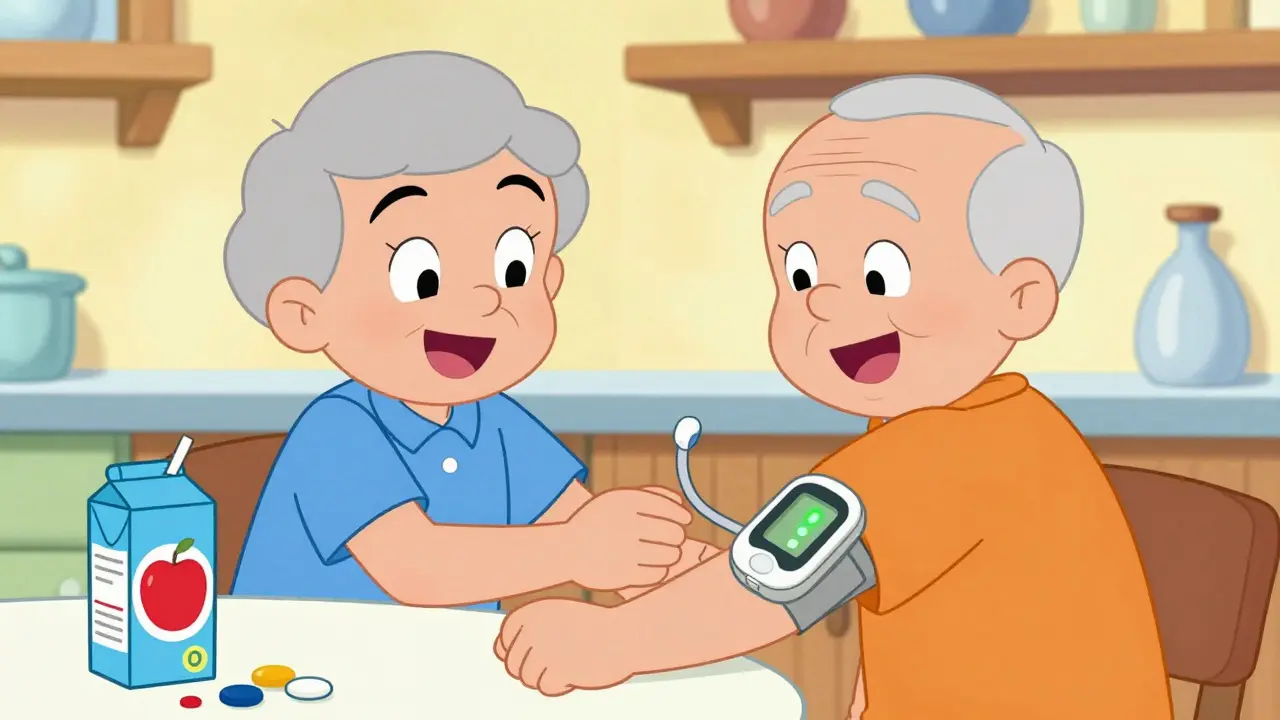
Older adults often experience non-specific symptoms that differ from classic hypoglycemia signs. Instead of sweating or shakiness, they may show confusion, irritability, dizziness, or unusual behavior. Caregivers should watch for these subtle clues. A caregiver survey found 72% of older adults report not feeling symptoms until blood sugar drops below 50 mg/dL. This makes early detection critical-waiting for classic signs often leads to severe episodes.
Practical Prevention Steps
Preventing hypoglycemia requires a tailored approach. Key steps include:
- Setting individualized blood sugar targets-healthy older adults may aim for A1c <7.0%, while those with multiple health issues may target <8.5%
- Checking blood sugar before meals, exercise, and bedtime
- Keeping fast-acting carbs (juice, glucose tablets) within reach at all times
- Reviewing medications with a doctor every 3-6 months
- Using CGMs if available to catch lows before symptoms appear
What Caregivers Should Know
Caregivers play a critical role in preventing and managing hypoglycemia. A survey found 65% of caregivers reported at least one severe episode in the past year. Key steps include recognizing subtle symptoms like confusion or irritability, knowing how to use nasal glucagon (now easier than injections), and avoiding driving during low blood sugar. Simple habits like keeping fast-acting carbs nearby and checking blood sugar before meals can prevent emergencies.
What are common hypoglycemia symptoms in older adults?
Older adults often experience non-specific symptoms like confusion, dizziness, irritability, or unusual behavior instead of classic signs like sweating or shakiness. These subtle clues are easily mistaken for normal aging or dementia. A survey found 72% of older adults don't feel symptoms until blood sugar drops below 50 mg/dL, making early detection critical.
Should older adults avoid certain diabetes medications?
Yes. Long-acting sulfonylureas like glyburide increase severe hypoglycemia risk by 50% compared to glipizide, leading the American Geriatrics Society Beers Criteria to list glyburide as potentially inappropriate for older adults. Insulin doses often need adjustment too. Experts recommend reviewing all medications regularly and considering alternatives like GLP-1 agonists or SGLT2 inhibitors, which have lower hypoglycemia risk.
Can continuous glucose monitoring help prevent hypoglycemia in older adults?
Yes. CGMs reduce hypoglycemia episodes by 40% in older adults by providing real-time alerts. However, only 15% use them due to cost and provider unfamiliarity. Medicare covers CGMs for insulin-treated patients but not those on sulfonylureas, which is a gap since sulfonylurea users are also at high risk. The ADA recommends CGM for older adults with frequent lows to catch episodes before symptoms appear.
How does chronic kidney disease affect hypoglycemia risk?
Chronic kidney disease (CKD) increases severe hypoglycemia risk by 2.7-fold compared to those with normal kidney function. This happens because kidney impairment affects how the body processes diabetes medications like insulin and sulfonylureas, leading to longer drug effects and higher low blood sugar risk. Regular kidney function checks and medication adjustments are crucial for older adults with CKD.
What should caregivers do during a severe hypoglycemia episode?
For severe hypoglycemia where the person can't swallow, use nasal glucagon (like Baqsimi) immediately-it's easier than injections. Keep glucagon kits accessible and practice using them. After treatment, check blood sugar and provide a snack with carbs and protein. Always call emergency services if the person doesn't recover quickly. Remember, delayed treatment can lead to seizures or coma.




Brendan Ferguson
February 5, 2026 AT 05:10It's really important to remember that hypoglycemia in older adults isn't just about blood sugar numbers. The body's counter-regulatory response weakens with age, so symptoms might not show up until it's too late. Regular monitoring and adjusting medications under a doctor's guidance can make a huge difference in preventing serious complications.
Lana Younis
February 6, 2026 AT 21:00Yeah, totally. The body's counter-regulatory response does definately weaken with age-so like, glucagon and epinephrine don't kick in like they used to. That means even mild lows can be dangerous. Also, some meds like sulfonylureas are riskier for older folks. Switching to newer drugs like GLP-1 agonists could reduce hypoglycemia risk. Just a thought. 😊
one hamzah
February 8, 2026 AT 03:54Hypoglycemia in older adults is often overlooked because symptoms like confusion are blamed on aging. It's a sneaky issue-elderly patients often have 'hypoglycemia unawareness' where they don't feel the symptoms. It's scary but manageable with regular checks. Also, cultural factors play a role-some communities have diets that affect blood sugar. Let's talk about it more! 🌍
Elliot Alejo
February 8, 2026 AT 20:40Yes, hypoglycemia unawareness is a major concern. It's often linked to long-term diabetes management. In my experience, structured education programs help patients recognize subtle symptoms like sweating or shakiness before it escalates. Consistent monitoring is key.
Danielle Vila
February 8, 2026 AT 22:28This is part of a bigger scheme. Big Pharma wants us to keep using insulin because it's profitable. They downplay the dangers of hypoglycemia so we stay dependent on their meds. I've seen reports where hospitals over-prescribe insulin to elderly patients for financial gain. It's not just about aging-it's corporate greed! 🤯
Thorben Westerhuys
February 9, 2026 AT 20:47Oh my goodness-hypoglycemia in older adults is such a critical issue! It's not just a nuisance; it's a life-threatening condition that's often overlooked! The statistics are staggering-2.3 times more episodes than younger adults? That's alarming! Every single episode increases fall risk by 40%? And hip fracture risk by 25%? We need to take this seriously-immediately!
Laissa Peixoto
February 11, 2026 AT 16:15It's fascinating how medical science often treats symptoms without addressing root causes. Hypoglycemia in the elderly isn't just a physiological issue-it's a societal one. We've created systems that prioritize convenience over care, and now we're paying the price. Maybe it's time to rethink how we approach aging and health?
Andre Shaw
February 12, 2026 AT 10:40Let me tell you something-this whole hypoglycemia scare is overblown. Older adults can handle low blood sugar just fine; it's the doctors who overreact. Most of the time, it's just a minor blip. The real problem is how hospitals over-medicate people with diabetes. They're too quick to push insulin without considering the risks. It's all about profits, not patient care.
Dr. Sara Harowitz
February 12, 2026 AT 18:19Hypoglycemia is a serious condition. Period.
Carol Woulfe
February 14, 2026 AT 10:06While your medical expertise is noted, one must question the broader implications. The pharmaceutical industry has long been involved in manipulating health narratives for profit. The emphasis on insulin for elderly patients may be part of a larger agenda to maintain dependency on costly medications. It's imperative to scrutinize the data behind these recommendations rather than accept them at face value.