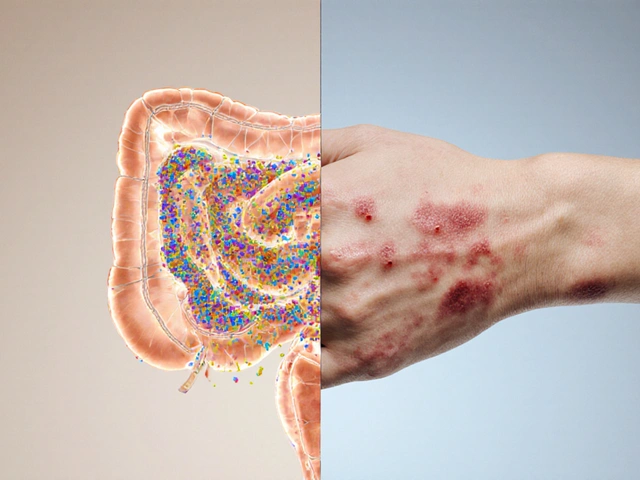
PPIs: What They Are, How They Work, and What You Need to Know
When you hear PPIs, proton pump inhibitors are medications that block acid production in the stomach. Also known as proton pump inhibitors, they’re among the most prescribed drugs in the world for heartburn, GERD, and ulcers. Drugs like Prilosec (omeprazole), Nexium (esomeprazole), and Pantoprazole fall into this group. They work by shutting down the tiny pumps in your stomach lining that make acid — not just reducing it, but stopping it at the source. That’s why they’re more powerful than antacids or H2 blockers like famotidine.
But PPIs aren’t just for occasional heartburn. Many people take them daily for months or years, often without realizing the risks. Long-term use has been linked to nutrient deficiencies — especially magnesium, calcium, and vitamin B12 — because stomach acid is needed to absorb them. There’s also a higher chance of bone fractures, kidney problems, and even rare infections like C. diff. And here’s the catch: stopping PPIs suddenly can cause rebound acid hypersecretion, making your symptoms worse than before. That’s why many people get stuck on them, even when they don’t need them anymore.
Not everyone who takes PPIs needs them. A lot of people use them for mild symptoms that could be managed with lifestyle changes — eating smaller meals, avoiding late-night snacks, cutting back on coffee or spicy food. Others are on them because a doctor prescribed them for a short-term issue, like an ulcer, but never checked back in. The posts below show real cases: how PPIs interact with other meds, how they’re misused, and what alternatives actually work. You’ll find comparisons between PPIs and other treatments, stories about people who got off them safely, and warnings about hidden risks when combined with blood pressure drugs or kidney medications.
What you’ll see here isn’t just theory. It’s based on real patient experiences and clinical data. Whether you’re wondering if your heartburn medicine is doing more harm than good, or you’re trying to get off PPIs without crashing back into acid reflux, the articles below give you the straight facts — no fluff, no marketing, just what you need to know to make smarter choices about your stomach health.
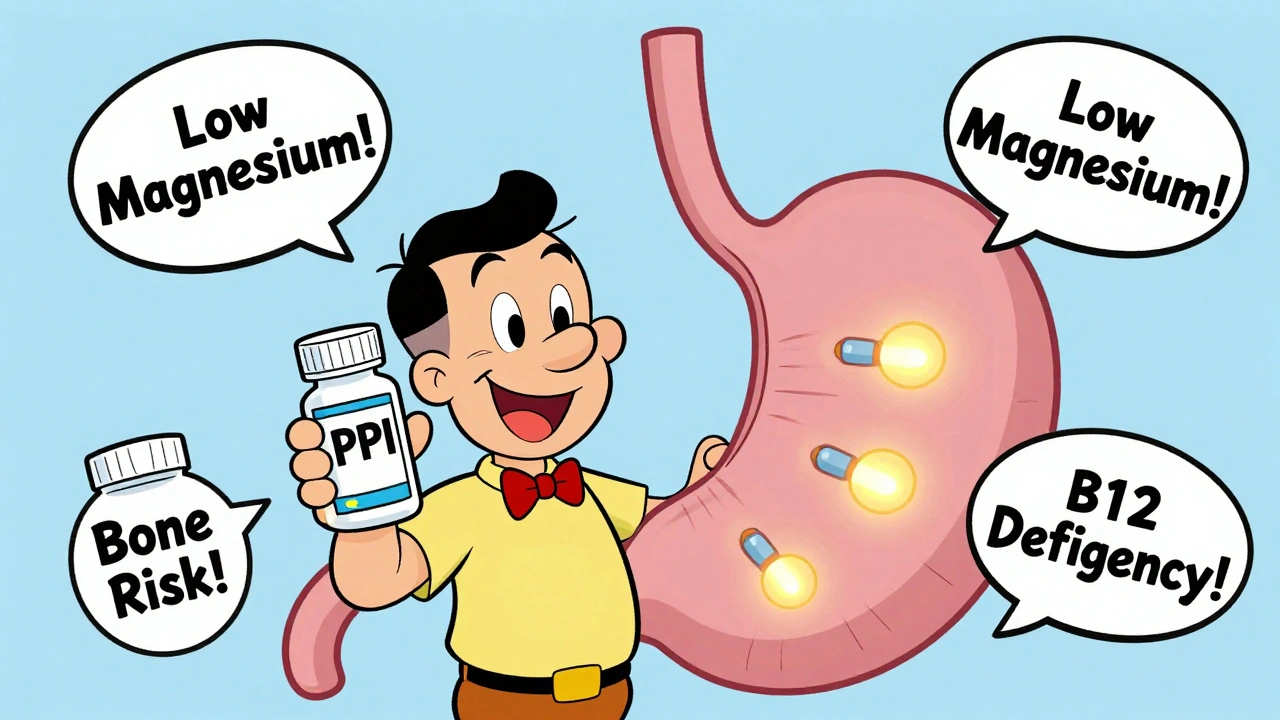
Proton Pump Inhibitors: Long-Term Risks and When to Stop
Proton pump inhibitors (PPIs) help with heartburn, but long-term use can cause low magnesium, bone fractures, and vitamin B12 deficiency. Learn when to stop and how to do it safely.
Recent-posts
FDA Inspection of Generic Manufacturing Facilities: What to Expect in 2026

How to Read Interaction Warnings on Medication Guides
Out-of-Pocket Costs: How Generics Cut Your Medication Bills by Up to 90%
How to Use Label Information to Set Accurate Medication Reminders