Hemorrhoids: Causes, Treatments, and What Really Works
When you feel that burning, itching, or swelling near your anus, it’s often hemorrhoids, swollen veins in the lower rectum or anus that can cause pain, bleeding, or discomfort. Also known as piles, they’re not rare—about half of all adults will deal with them by age 50.
Hemorrhoids don’t show up out of nowhere. They’re usually tied to constipation, straining during bowel movements that puts pressure on the veins around the rectum. Sitting too long, pregnancy, heavy lifting, and even chronic diarrhea can trigger them. And yes, spicy food or caffeine won’t cause them—but they can make symptoms worse if you already have them. The real culprit? Pressure. Constant pressure on those veins, over time, makes them swell and sometimes even prolapse.
Not every bit of rectal bleeding is hemorrhoids. anal fissure, a small tear in the lining of the anus can look similar but feels sharper and often happens with a single painful bowel movement. Hemorrhoids usually bleed bright red during or after a poop, without much pain—unless they’re thrombosed, meaning a clot formed inside. That’s when it feels like a hard, painful lump. And if you’re noticing changes in bowel habits, weight loss, or dark blood, that’s not just hemorrhoids—it’s time to see a doctor.
Most hemorrhoids don’t need surgery. Simple fixes work: more fiber, more water, moving around, and over-the-counter creams or wipes with witch hazel or hydrocortisone. Sitz baths—sitting in warm water for 10–15 minutes—help more than people think. But if you’ve tried all that and still feel like you’re sitting on a walnut, there are minimally invasive options like rubber band ligation or sclerotherapy. And yes, some people swear by herbal remedies, but don’t skip evidence-based care just because something sounds natural.
The posts below cover everything from how to tell if your symptoms are hemorrhoids or something else, to which OTC products actually deliver relief, how to prevent them from coming back, and what to do if they flare up during pregnancy. You’ll find real advice on diet, posture, medications that help—and ones that make it worse. No fluff. No fear-mongering. Just what works, based on what people actually experience and what the science shows.
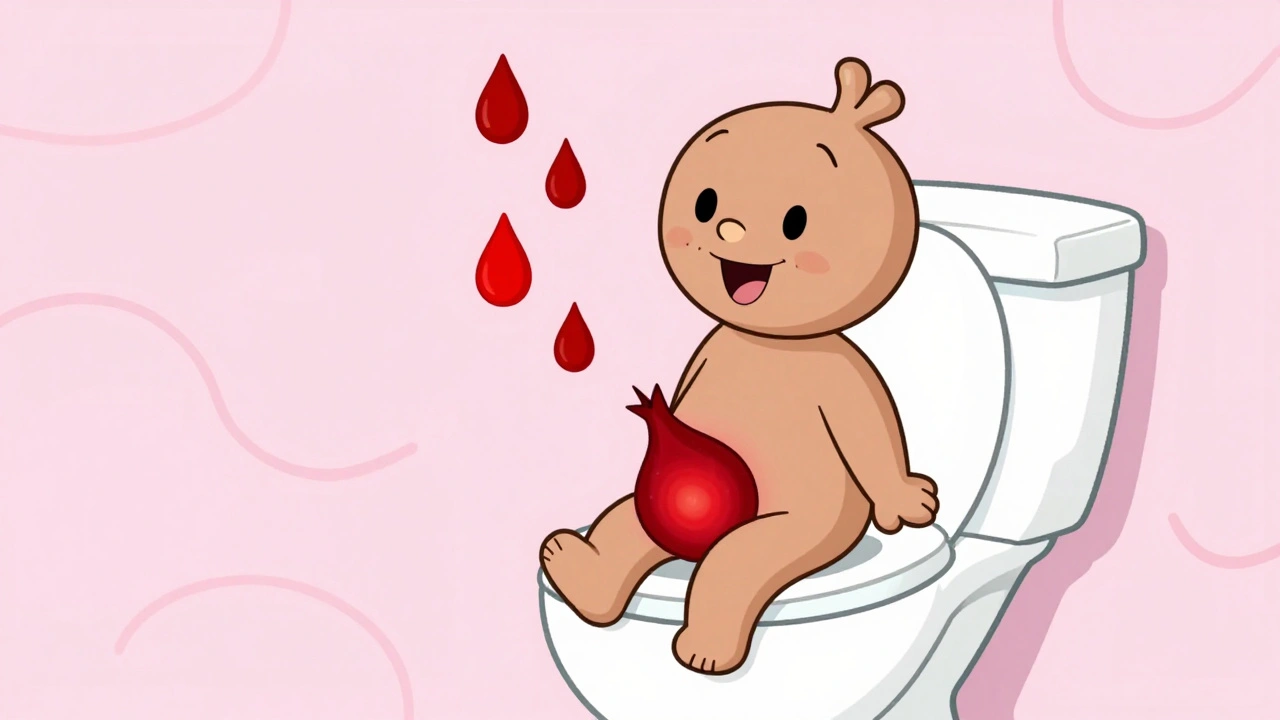
Hemorrhoids: Internal vs. External and How to Treat Them
Learn the difference between internal and external hemorrhoids, what causes them, and proven treatment options - from home remedies to medical procedures. Understand when to see a doctor and how to prevent them from coming back.
Recent-posts
Butea Superba: The Secret Ingredient for a Healthy and Energized Lifestyle

Top Alternatives to 4rx.com for Affordable Online Prescription Medications in 2024
Revolutionize Your Health with Chaulmoogra: The Must-Try Dietary Supplement

Top 8 Reliable Alternatives to MapleLeafMeds.com for 2024