
When you're choosing a health plan, most people focus on doctor visits, hospital stays, and monthly premiums. But if you take any prescription meds - even just one - your prescription insurance coverage could save you thousands, or cost you just as much if you don't ask the right questions.
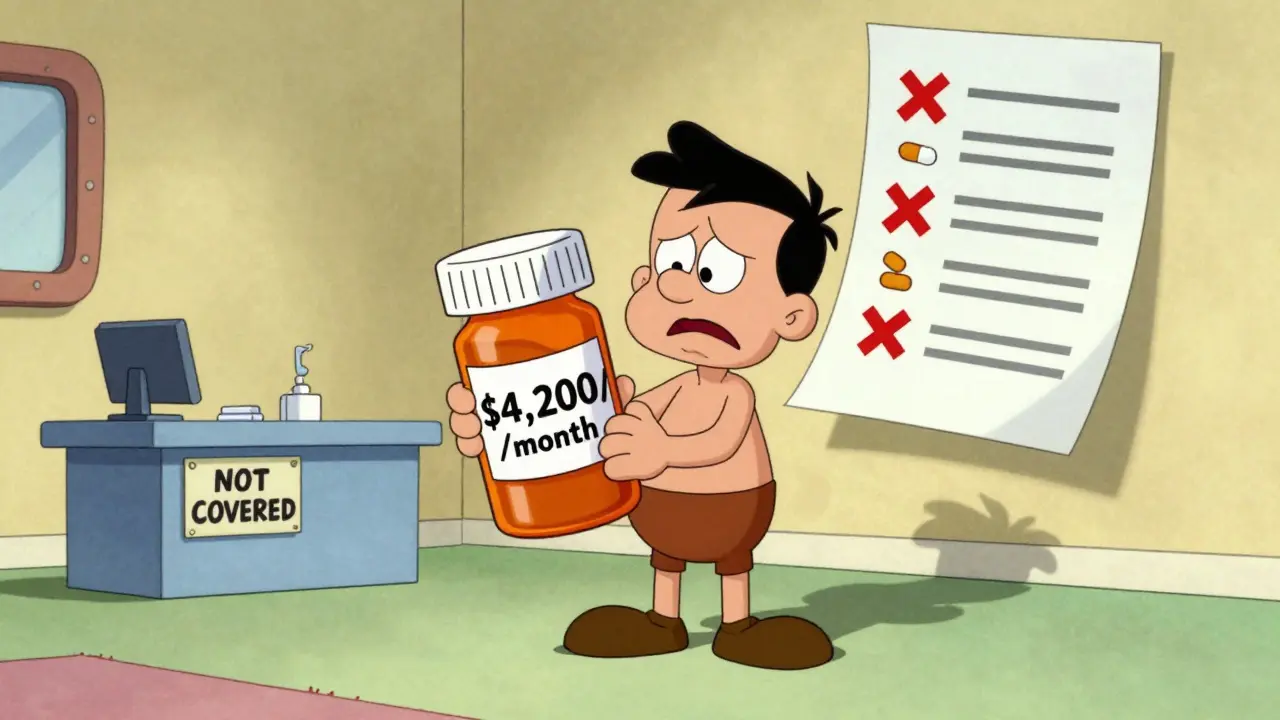
Here’s the hard truth: 63% of people who bought a plan through the Marketplace in 2022 didn’t check if their specific medications were covered until after they enrolled. By then, it was too late. One man in Ohio found out his $4,200 monthly specialty drug wasn’t fully covered - he got hit with a $3,700 bill at the pharmacy. That’s not a mistake. That’s avoidable.
Is Your Medication Even on the Formulary?
The formulary is the list of drugs your plan covers. Not every drug is on it. And if yours isn’t, you pay 100%. Some plans have 300 drugs on their formulary. Others have over 2,000. But that doesn’t mean yours is included.
Don’t assume. Don’t guess. Go straight to your plan’s formulary list. Look up your medication by its generic name - not the brand. For example, if you take Lyrica, search for pregabalin. Brand names change. Generics don’t. If you can’t find it, call customer service. Ask: “Is pregabalin covered under this plan?”
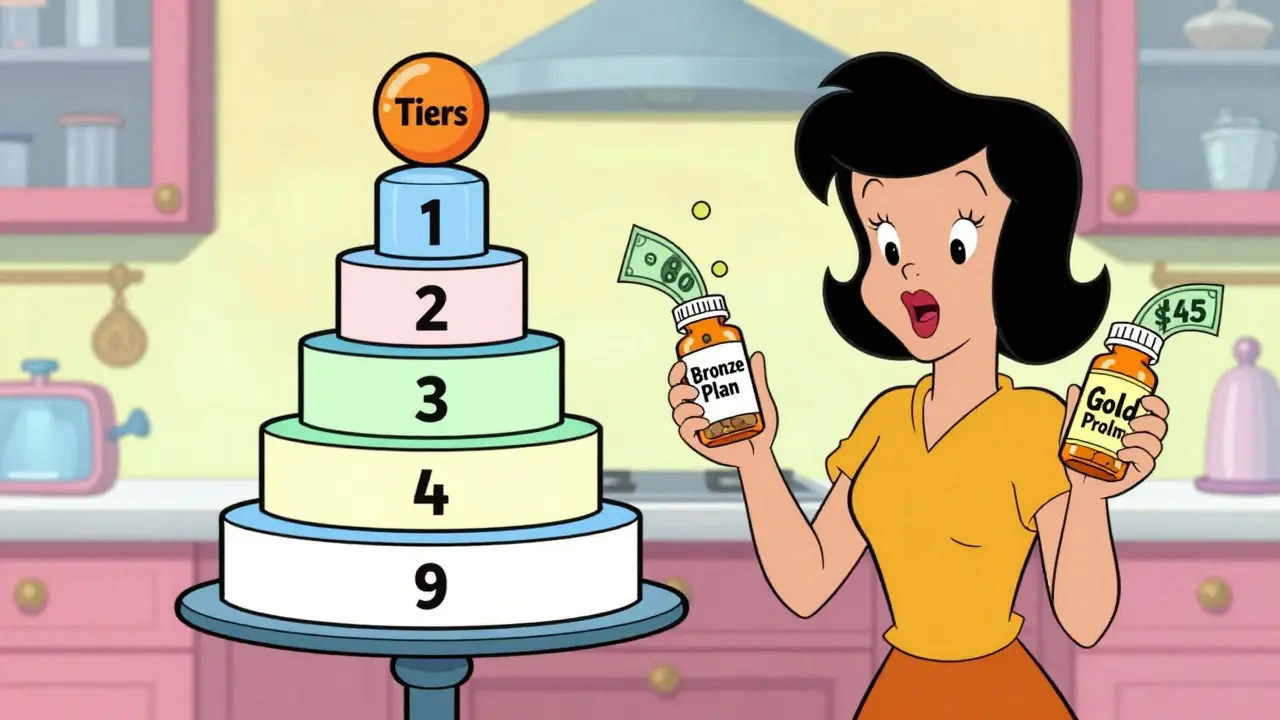
And don’t stop there. Ask: “What tier is it on?” Most plans use four tiers:
- Tier 1: Generic drugs - usually $10 copay
- Tier 2: Preferred brand-name drugs - around $40
- Tier 3: Non-preferred brand-name - $100 or more
- Tier 4: Specialty drugs - 25% to 33% coinsurance, often over $1,000 per prescription
One woman in Texas switched from a Bronze plan to a Gold plan because her insulin moved from Tier 3 to Tier 2. Her monthly cost dropped from $180 to $45. That’s $1,620 saved a year.
How Much Will You Pay Before Coverage Starts?
Deductibles aren’t just for doctor visits. Many plans have a separate drug deductible. That means you pay 100% of your medication costs until you hit that number.
For example, a Bronze Marketplace plan might have a $6,000 deductible. That’s not just for your ER visit - it’s for your blood pressure pills, your thyroid med, your antidepressants. You could be paying $500 out of pocket before your plan kicks in.
Compare that to a Gold plan, which often has a $150 drug deductible - or sometimes none at all. If you take 5 or more prescriptions monthly, a Gold plan might cost more upfront, but you’ll save hundreds each month after the deductible is met.
Ask: “What’s the drug deductible? Is it separate from the medical deductible?” If it’s combined, find out how much you need to spend on medical + drugs before coverage starts. That number could be higher than you think.
Are There Prior Authorization or Step Therapy Rules?
Just because your drug is on the formulary doesn’t mean you can get it easily.
Prior authorization means your doctor has to fill out paperwork - sometimes weeks in advance - proving you’ve tried cheaper alternatives first. Step therapy means you have to try two or three cheaper drugs before they’ll approve your prescription.
For example, if you’re on Humira for rheumatoid arthritis, your plan might force you to try Enbrel first. If that doesn’t work, then Cimzia. Only then can you get Humira. And if your doctor doesn’t know the rules? You get denied at the pharmacy counter.
Ask: “Does this plan require prior authorization for my medications?” and “Do you use step therapy for any of my drugs?” If the answer is yes, ask how long the process takes. Some plans take 72 hours. Others take 2 weeks. That’s not just a delay - it’s a health risk.
Which Pharmacies Can You Use?
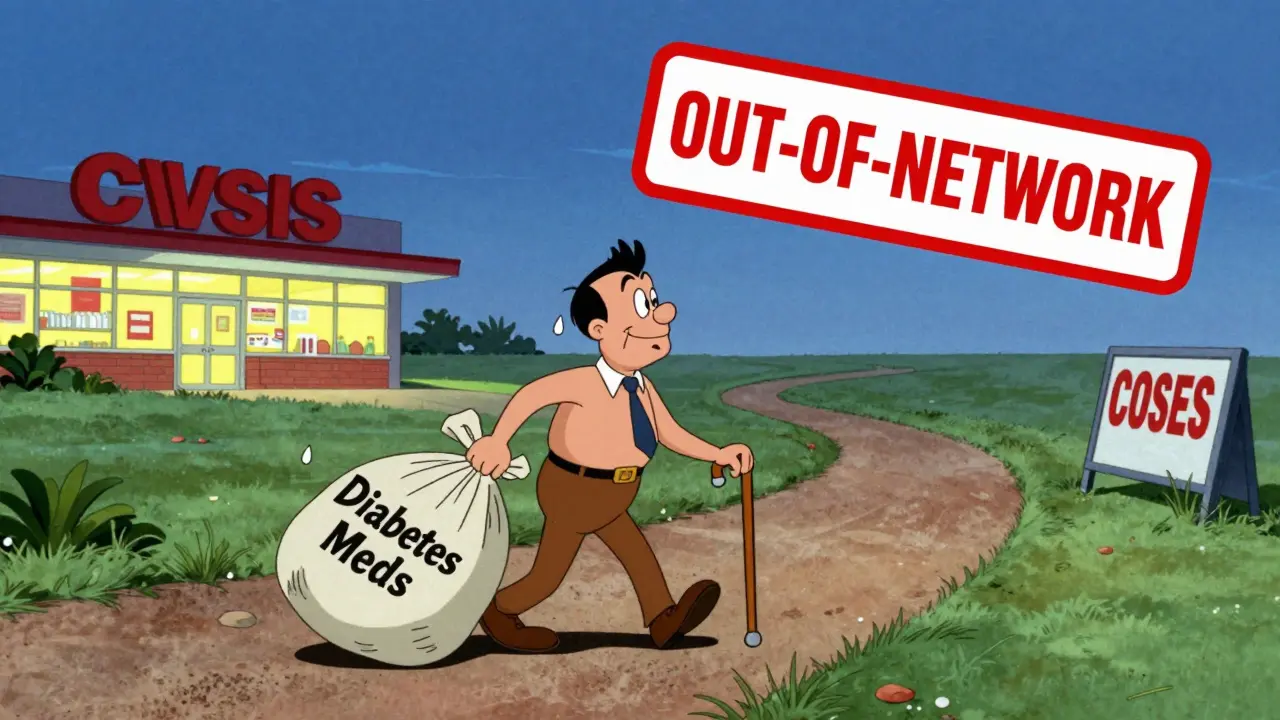
Not all pharmacies are created equal. 78% of Marketplace plans restrict you to a specific network. Walk into a pharmacy outside that network? You’ll pay 37% more - sometimes double.
Big chains like CVS, Walgreens, and Rite Aid are usually in-network. But what about your local independent pharmacy? Or your mail-order service? Check the plan’s pharmacy directory. Type in your zip code. See which ones are covered.
One man in Florida switched to a plan that didn’t include his local pharmacy. He had to drive 45 minutes to a CVS just to fill his diabetes meds. He ended up skipping doses. His A1C went up. He paid more in ER visits than he saved on premiums.
Ask: “Can I use my current pharmacy? Is mail-order an option? What’s the cost difference?”
What About Medicare Part D? Don’t Assume It’s All the Same
If you’re on Medicare, you have two choices: a standalone Part D plan or a Medicare Advantage plan that includes drug coverage.
Standalone Part D plans let you keep your original Medicare and choose any doctor. But 83% of them have a deductible. And 68% of Advantage plans use tiered pharmacy networks - meaning your drug costs change depending on where you fill it.
And here’s the kicker: in 2024, you hit the “donut hole” after spending $5,030 on drugs total. You pay 25% of the cost until you hit $8,000. Then catastrophic coverage kicks in. But starting in 2025, that gap disappears. And insulin will cost no more than $35 a month.
Ask: “Is my drug covered under this Part D plan? What’s the monthly premium? Is there a deductible? What’s my out-of-pocket maximum?”
Use the Medicare Plan Finder tool. Enter your exact medications by NDC code - not just the name. It’ll show you which plan saves you the most money.
What’s the Real Cost Over a Year?
Let’s say you take 12 medications a year. A Bronze plan might have a $452 annual premium. Sounds cheap. But your out-of-pocket max is $9,450. If you hit that, you’re paying $1,000 a month just for pills.
A Gold plan might cost $685 a year more in premiums. But your out-of-pocket max is $5,050 - and your copays are lower. CMS found that someone with 12 regular prescriptions saves $1,842 a year on a Gold plan versus a Bronze one.
Don’t just look at the monthly premium. Look at the total cost: premium + copays + deductible + coinsurance. Plug in your meds. Use the plan comparison tool on HealthCare.gov or Medicare.gov. Enter up to 15 drugs. It’ll show you the real number.
When Do You Need to Act?
You can’t wait until you’re sick. You can’t wait until your refill runs out.
- Marketplace plans: Open enrollment is November 1 to January 15. Use this time to compare plans. Don’t wait until December.
- Medicare: Annual Election Period is October 15 to December 7. Change your plan now - not after.
Studies show people who spend 20+ minutes checking their drug coverage save $1,147 a year. That’s not luck. That’s doing the work.
What Happens If You Change Your Medication?
Doctors change prescriptions. New drugs come out. Insurance changes formularies.
Every time your med changes - even if it’s just a new dose - check your plan again. A drug that was covered last year might not be this year. A copay that was $20 might jump to $80. You won’t know unless you look.
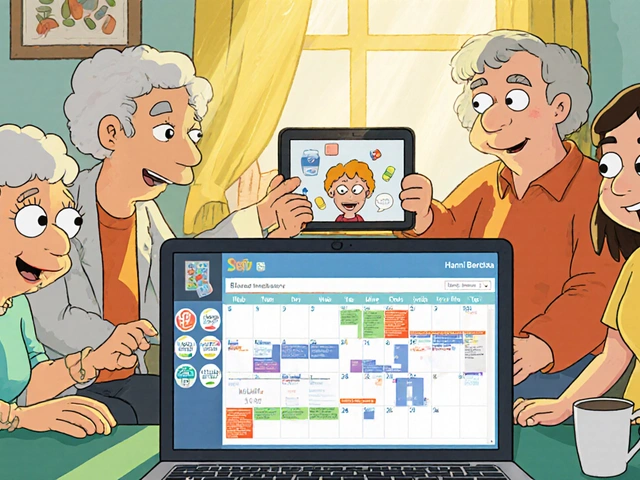
Set a reminder: every January, review your drug coverage. Even if you didn’t change plans, your meds might have.
Final Checklist: 5 Questions to Ask Before You Sign
- Is my medication on the formulary? What tier is it on?
- What’s the drug deductible? Is it separate from the medical deductible?
- Do I need prior authorization or step therapy for my drugs?
- Can I use my pharmacy? What’s the cost difference between in-network and out-of-network?
- What’s my total estimated annual cost for prescriptions - including premiums, copays, and coinsurance?
Prescription drugs aren’t optional. For 66.7% of Americans, they’re essential. Your health plan should reflect that. Don’t leave it to chance. Ask the questions. Do the math. Save yourself the shock.


Alex Brad
March 3, 2026 AT 09:07Always check the formulary. Always.
Chris Beckman
March 4, 2026 AT 14:16Levi Viloria
March 4, 2026 AT 14:17Now I use the Medicare Plan Finder every January. It’s a habit. One that saved me over $1,500.
Betsy Silverman
March 6, 2026 AT 12:46Always ask about step therapy too. That paperwork delay can kill.
Ivan Viktor
March 7, 2026 AT 20:46Zacharia Reda
March 8, 2026 AT 04:37Set a calendar reminder. January 1st. Every year. Even if nothing changed.
Jeff Card
March 9, 2026 AT 10:43It’s not paranoia. It’s survival. I don’t care if it’s annoying. My health is worth the 10 minutes.
Matt Alexander
March 11, 2026 AT 01:10Gretchen Rivas
March 11, 2026 AT 03:14Don’t just pick the cheapest premium. Plug in your drugs. The math will shock you.
Mike Dubes
March 13, 2026 AT 02:39Don’t be like me. Do the work. It’s not hard. Just annoying. But your wallet will thank you.