Skin Lightening Side Effects: Risks, Hidden Dangers, and Safer Alternatives
When you use skin lightening, a process aimed at reducing melanin to even out skin tone or treat dark spots. Also known as skin bleaching, it’s often marketed as a quick fix for hyperpigmentation—but the risks are rarely talked about. Many people don’t realize that the products they buy online or from street vendors can contain dangerous ingredients like hydroquinone, a chemical that blocks melanin production but can cause ochronosis—a permanent blue-black darkening of the skin, or even mercury, a toxic heavy metal banned in cosmetics in most countries but still found in illegal skin creams. These aren’t rare cases. Health agencies in the U.S., EU, and Australia regularly issue warnings about contaminated products sold as "natural" or "herbal."
Some creams also pack in corticosteroids, powerful anti-inflammatory drugs that thin the skin, cause stretch marks, and trigger rebound redness when stopped. Long-term use can lead to steroid dermatitis, a condition where the skin becomes dependent on the steroid and breaks out badly when you quit. And it’s not just the skin. Mercury gets absorbed into your bloodstream, harming your kidneys, nervous system, and even your unborn child if you’re pregnant. The FDA has documented cases of kidney failure and neurological damage from these products.
What’s worse? Most users don’t know they’re at risk until it’s too late. The damage builds slowly—fading spots turn into blotchy patches, thin skin tears easily, and redness lingers after stopping the cream. You might think you’re improving your appearance, but you’re trading temporary results for long-term harm. Even products sold as "over-the-counter" or "for occasional use" can cause serious problems if used daily for weeks or months.
There are safer ways to address uneven skin tone. Prescription treatments like tretinoin or azelaic acid work slowly but safely. Sunscreen isn’t just for prevention—it’s the most effective tool against dark spots. And for stubborn pigmentation, dermatologists use chemical peels or laser therapies that target melanin without poisoning your body. The key is working with a licensed professional, not scrolling through social media ads.
Below, you’ll find real stories and medical insights about the hidden dangers of skin lightening products—what’s in them, how they damage your body, and what to do instead. These aren’t opinions. They’re documented cases, FDA alerts, and clinical findings from people who thought they were helping their skin—and ended up needing serious treatment to fix it.
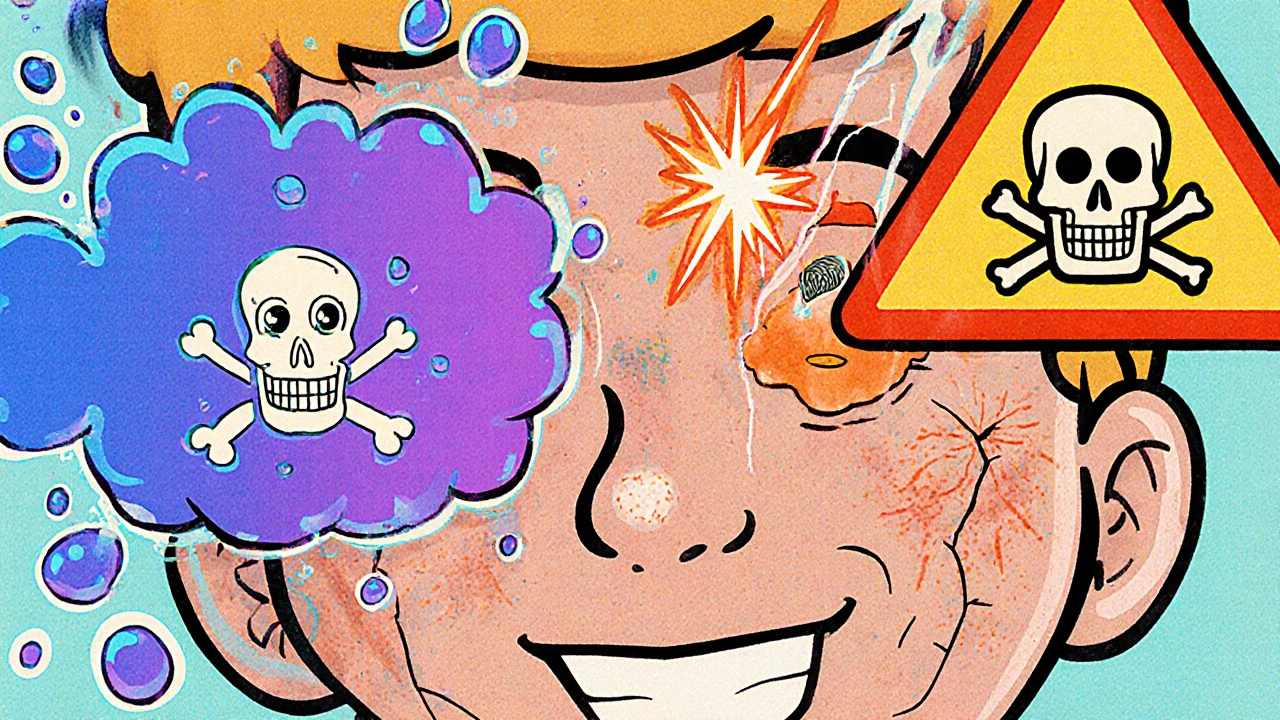
Long-Term Effects of Hydroquinone Mometasone Tretinoin on Skin Health
Long-term use of hydroquinone, mometasone, and tretinoin can cause skin thinning, rebound pigmentation, and steroid dependency. Safer alternatives exist for treating dark spots without permanent damage.
Recent-posts

Acute Bronchitis: How to Care for Your Cough and Why Antibiotics Won’t Help

Shortage Mitigation Strategies: How Health Systems Are Responding to Drug Shortages
Nephrotic Syndrome: Understanding Heavy Proteinuria, Swelling, and Effective Treatment

The Role of Vidagliptin in Reducing Cardiovascular Risks in Diabetic Patients