Phenytoin-Warfarin Interaction Simulator
Simulation Control
Select a timeframe to see how the interaction evolves from protein displacement to enzyme induction.
Primary Mechanism
No interaction active.
Clinical Risk
Standard monitoring.
Warfarin at therapeutic steady state.
Phenytoin displaces warfarin from albumin (24-72h).
Transition phase (3-5 days).
CYP2C9 induction increases clearance (7-14 days).
Imagine starting a new medication for seizures, only to find your blood is suddenly too thin, then a week later, it's too thick. This isn't a random fluke; it's the classic, frustrating pattern of the Phenytoin and Warfarin interaction is a complex, biphasic drug-drug interaction where one drug first boosts and then suppresses the effects of the other. For patients and clinicians, this creates a volatile window where the risk of bleeding or clotting swings wildly.
The problem is that Warfarin is a racemic mixture anticoagulant used to prevent blood clots, primarily metabolized by the CYP2C9 enzyme. It has a notoriously narrow therapeutic window, meaning a tiny change in dose or a new interacting drug can push a patient from "safe" to "danger zone." When you add Phenytoin is a protein-bound antiepileptic drug with nonlinear pharmacokinetics used to control seizures into the mix, you aren't just dealing with one interaction-you're dealing with two opposing biological processes happening at different times.
The First Wave: The Protein Displacement Spike
Within the first 24 to 72 hours of starting phenytoin, something happens in the bloodstream. Both warfarin and phenytoin are "protein-bound," meaning they hitch a ride on Albumin is the most abundant plasma protein that carries hormones, fatty acids, and various medications through the blood. However, phenytoin is a bit of a bully-it has a higher affinity for these binding sites.
As phenytoin enters the system, it kicks warfarin off the albumin molecules. This increases the "free fraction" of warfarin-the active part of the drug that actually thins the blood. Because there is suddenly more active warfarin circulating, the INR is the International Normalized Ratio, a standardized measurement of how long it takes blood to clot spikes. This puts the patient at a higher risk of spontaneous bleeding. This initial spike is transient, usually normalizing within 3 to 5 days as the body adjusts, but it's the first red flag for any healthcare provider.
The Second Wave: The Enzyme Induction Crash
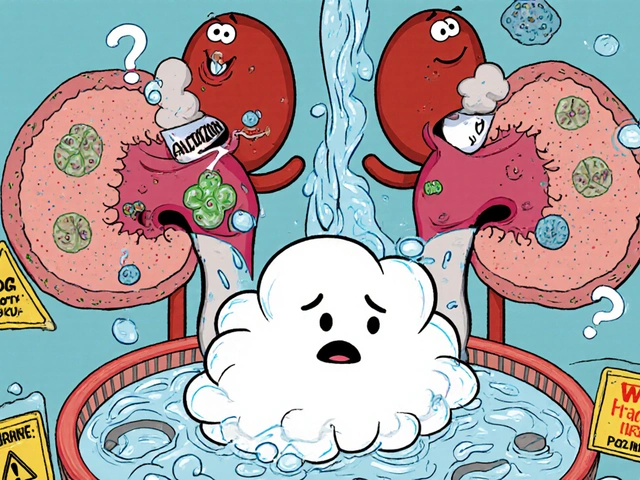
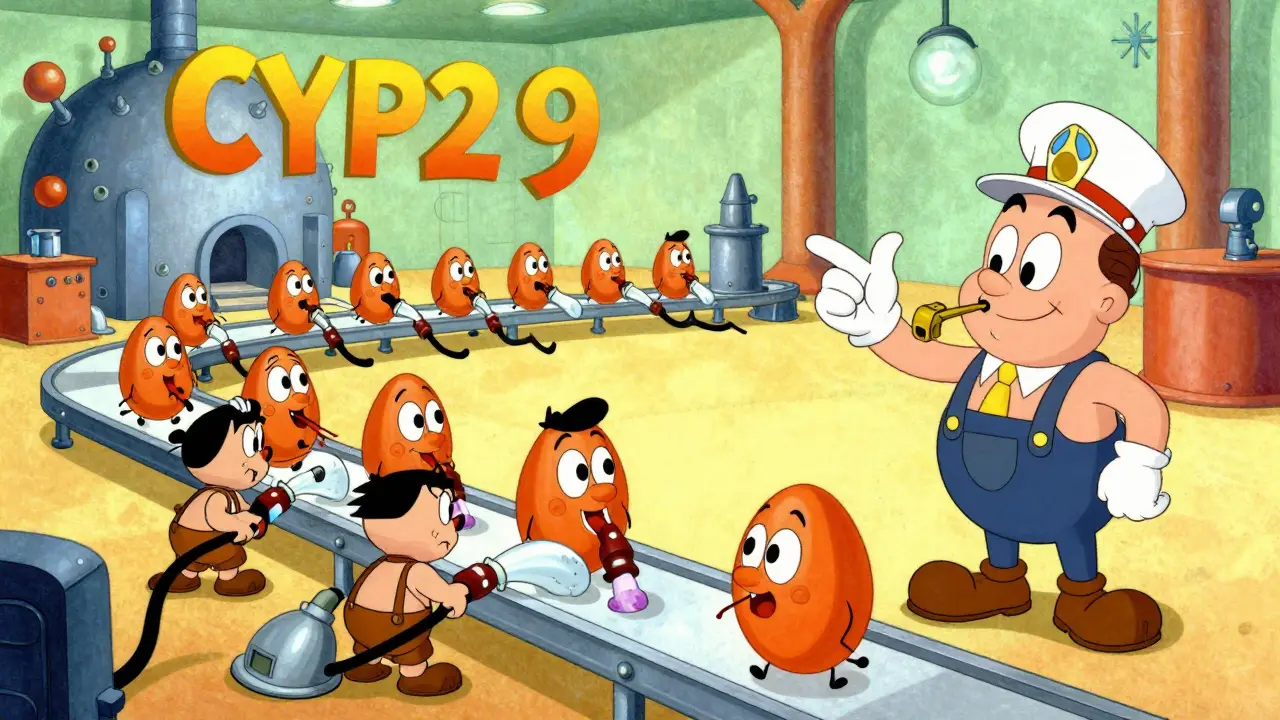
Just as the protein displacement settles, a second, more powerful mechanism kicks in: enzyme induction. Phenytoin activates the pregnane X receptor (PXR) in the liver, which essentially tells the body to produce more metabolic machinery. Specifically, it ramps up the production of CYP2C9 is a key cytochrome P450 enzyme responsible for metabolizing the potent S-enantiomer of warfarin and CYP3A4.
By the 7-to-14-day mark, the liver becomes a warfarin-processing powerhouse. It breaks down the anticoagulant so efficiently that the blood becomes "too thick" again, and the INR drops. To keep the patient in the therapeutic range, clinicians often find they need to increase the warfarin dose by 2 to 5 times the original amount. This is the biphasic trap: first you're over-anticoagulated, then you're under-anticoagulated.
| Timeframe | Primary Mechanism | Effect on INR | Clinical Risk |
|---|---|---|---|
| 24-72 Hours | Albumin Displacement | Increase ↑ | Bleeding / Hemorrhage |
| 3-5 Days | Equilibrium Phase | Stabilizing | Transition period |
| 7-14 Days | CYP450 Enzyme Induction | Decrease ↓ | Clotting / Thrombosis |
Why Genetics Make It Unpredictable
Not everyone reacts to this duo the same way. The intensity of the interaction is heavily influenced by genetics, specifically polymorphisms in the CYP2C9 and VKORC1 is the Vitamin K epoxide reductase complex subunit 1, the target enzyme that warfarin inhibits to prevent clotting genes. For instance, someone with the CYP2C9*2 or *3 variant alleles might process warfarin differently, making the induction effect of phenytoin even more volatile.
Additionally, the patient's baseline health matters. Those with hypoalbuminemia (low albumin levels, often seen in malnourished patients or those with liver disease) are more sensitive to the initial displacement effect. Because they have fewer "parking spots" for the drugs on their albumin, a small amount of phenytoin can cause a massive jump in free warfarin levels.
The Danger of Stopping Phenytoin
The most dangerous part of this interaction often happens when a patient *stops* taking phenytoin. If a person has been stabilized on a high dose of warfarin (say, 3 times their original dose) to counteract the enzyme induction, and then they stop the phenytoin, the induction effect gradually wears off over 10 to 14 days.
The liver slows down its warfarin metabolism, but the patient is still taking that high "induced" dose. This leads to a gradual, stealthy increase in INR. Without a downward dose adjustment-often 25% to 50%-the patient can enter a critical state of over-anticoagulation, leading to severe internal bleeding. This mirrors the starting process but in reverse, requiring just as much vigilance.
Clinical Management and Safer Alternatives
Managing this pair requires "harassing" the INR, as some pharmacy experts put it. The gold standard is to monitor INR every 2 to 3 days after starting phenytoin until stable, then weekly. You shouldn't change the warfarin dose based on a guess; you change it based on the INR trend.
Given this headache, many doctors are moving away from phenytoin when anticoagulation is necessary. Modern antiepileptics like levetiracetam, gabapentin, or pregabalin don't mess with the CYP450 system in the same way and are much safer for patients on blood thinners. While DOACs is Direct Oral Anticoagulants like apixaban or rivaroxaban that offer more predictable anticoagulation than warfarin are popular, they are often avoided with phenytoin because the enzyme induction can crash DOAC plasma levels, making them ineffective. This leaves warfarin as the only viable option for certain high-risk patients, such as those with mechanical heart valves.
Why does the INR go up first and then down?
It's a two-step process. First, phenytoin kicks warfarin off albumin proteins in the blood, increasing the amount of active drug (spike in INR). Then, phenytoin triggers the liver to produce more CYP2C9 enzymes, which clear the warfarin out of the system much faster (drop in INR).
How much does the warfarin dose usually increase?
Once the enzyme induction is fully active (usually after 2 weeks), patients often require 2 to 5 times their original warfarin dose to maintain a therapeutic INR.
What happens if I stop taking phenytoin while on warfarin?
Your liver will stop processing warfarin as quickly. If you keep taking the high dose used during phenytoin therapy, your INR will rise, significantly increasing your risk of bleeding. Your dose will likely need to be reduced by 25-50%.
Are there safer alternatives to phenytoin?
Yes. Medications like levetiracetam, gabapentin, and pregabalin are generally preferred because they do not induce liver enzymes and have far fewer interactions with warfarin.
Can I use a DOAC instead of warfarin with phenytoin?
Generally, no. Phenytoin's enzyme induction can significantly lower the concentration of DOACs (like apixaban) in your blood, making them unreliable. In these specific cases, warfarin is often the only safe oral anticoagulant option.
Next Steps for Patients and Caregivers
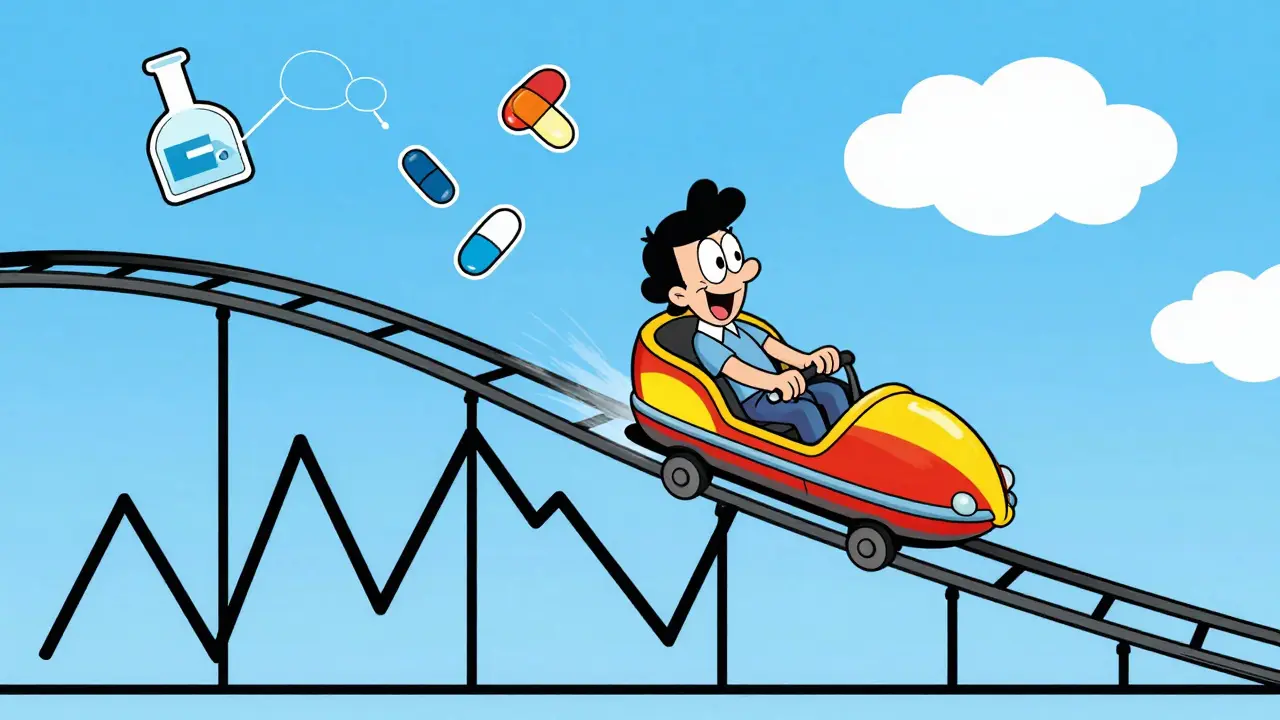
If you are starting or stopping these medications, do not make any dose changes on your own. For those on this combination, the most important tool is a consistent monitoring schedule. If you notice unusual bruising, nosebleeds, or dark stools during the first week, contact your provider immediately. Conversely, if you experience sudden swelling or pain in a limb after the second week, it could signal that the warfarin is no longer working and a clot has formed. Frequent INR checks are the only way to navigate this biological rollercoaster safely.