Albuminuria: What It Means, Why It Matters, and How It Links to Kidney Health
When your urine contains too much albumin, a protein normally kept in the blood by healthy kidneys. Also known as proteinuria, it's not a disease itself—but a clear warning that something’s wrong with your kidneys. Healthy kidneys act like filters, keeping proteins like albumin where they belong. When those filters get damaged, albumin slips through and shows up in your urine. That’s albuminuria. It’s one of the earliest and most reliable signs of kidney damage, often showing up before you feel any symptoms.
Albuminuria doesn’t happen alone. It’s closely tied to conditions like diabetes, a leading cause of kidney damage due to high blood sugar wearing down kidney filters over time, and high blood pressure, which puts extra strain on the tiny blood vessels in the kidneys. It’s also a key feature of nephrotic syndrome, a group of symptoms including heavy protein loss, swelling, and high cholesterol caused by severe kidney filter damage. If you’ve been told you have albuminuria, it’s not just about your urine—it’s about what’s happening inside your kidneys right now.
Doctors test for it with a simple urine dipstick or a more precise albumin-to-creatinine ratio test. A little albumin might mean early damage. A lot means advanced kidney disease. Either way, catching it early gives you a real shot at slowing or even stopping the damage. Lifestyle changes—like cutting salt, controlling blood sugar, and managing blood pressure—can make a big difference. So can medications like ACE inhibitors or ARBs, which are often prescribed specifically to reduce protein leakage in the kidneys.
You’ll find posts here that dig into how kidney damage shows up in the body, what drugs can help or hurt, and how conditions like diabetes or high blood pressure connect to what’s happening in your urine. Some articles look at how medications like diuretics or blood pressure pills interact with kidney function. Others explain how symptoms like swelling or fatigue link back to protein loss. There’s no guesswork here—just clear, practical info based on real medical cases and studies. Whether you’re trying to understand your own test results or helping someone else, this collection gives you the facts you need to act—before things get worse.
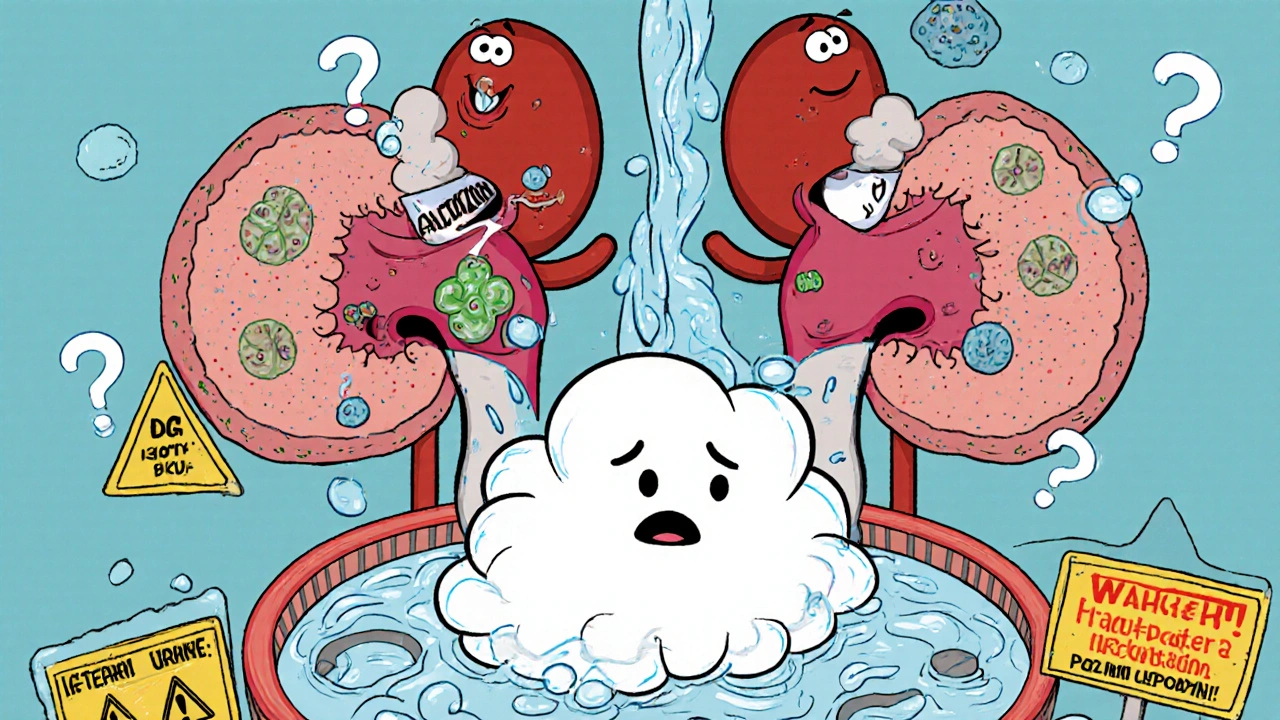
Proteinuria: How to Detect Urine Protein and Prevent Kidney Damage
Proteinuria is a key sign of kidney damage, often detected by foamy urine or swelling. Learn how to test for it, what causes it, and how to reduce protein loss to protect your kidneys long-term.
Recent-posts

How Amantadine Helps Manage Multiple Sclerosis Symptoms
The Role of Vidagliptin in Reducing Cardiovascular Risks in Diabetic Patients

Why Regular Follow‑up Appointments Are Crucial for Latanoprost Users

Buy Cheap Generic Zyrtec Online in Australia - 2025 Price Guide