
Esketamine Blood Pressure Monitor
Blood Pressure Assessment Tool
Use this tool to understand how blood pressure typically changes during esketamine treatment and when you might be safe to resume activities.
When traditional antidepressants don’t work, people with treatment-resistant depression often face a long, exhausting road. Esketamine nasal spray - sold as Spravato - became a breakthrough option in 2019, offering hope where few existed. But it’s not a simple pill you pick up at the pharmacy. It comes with intense side effects, strict rules, and a monitoring process unlike any other antidepressant. If you’re considering it, you need to understand what happens in your body during treatment, why the monitoring is so tight, and what to expect when you walk into that clinic.
How Esketamine Works (And Why It’s Different)
Most antidepressants - like SSRIs or SNRIs - target serotonin, norepinephrine, or dopamine. Esketamine doesn’t. It works on glutamate, the brain’s main excitatory chemical. Specifically, it blocks NMDA receptors, which are like locks that control how much calcium flows into brain cells. By blocking these receptors on inhibitory neurons, esketamine essentially removes the brakes on other brain cells, leading to a surge in neural activity. This rapid change is why people can feel better within hours or days, not weeks. This mechanism is powerful, but it’s also why side effects like dissociation and blood pressure spikes happen. The same brain pathways that help lift depression also cause temporary disconnection from reality and stress on the cardiovascular system. Unlike other antidepressants, esketamine isn’t meant for daily use. It’s given in controlled settings, usually twice a week for the first month, then less often. And every single dose is watched.Dissociation: More Than Just Feeling “Weird”
Dissociation is the most common side effect of esketamine. In clinical trials, more than half of patients - 56% - reported feeling detached from themselves or their surroundings. That’s not just zoning out. People describe it as:- Feeling like you’re watching yourself from outside your body
- Time slowing down or speeding up
- Seeing colors more intensely or hearing sounds differently
- Feeling unreal, like you’re in a dream
Blood Pressure Spikes: Why It’s Not Just a Number
Esketamine doesn’t just affect your mind - it affects your heart and blood vessels. Within 5 minutes of spraying, your systolic blood pressure (the top number) can jump by 14 to 23 points. Diastolic (the bottom number) may rise 7 to 16 points. These spikes peak at the same time as dissociation - around 40 minutes - and drop back to normal within 90 to 120 minutes. About 33% of users experience what’s called “treatment-emergent hypertension” - meaning their blood pressure goes above 140/90. That’s not dangerous for healthy people. But for someone with uncontrolled high blood pressure, heart disease, or a history of stroke or aneurysm, it’s a red flag. That’s why you’re screened before every session. If your blood pressure is over 160/100 when you arrive, you won’t get the spray that day. That’s not a delay - it’s a safety rule. In rare cases, patients with pre-existing hypertension report spikes up to 170 or higher, even while on medication. One patient on PatientsLikeMe stopped treatment after two sessions because their systolic hit 170. That’s why monitoring isn’t optional. Every clinic follows the same protocol: check BP before, then every 5 to 10 minutes for the first 30-40 minutes, then every 15-30 minutes after that. Oxygen monitors and emergency equipment are required. This isn’t bureaucracy - it’s prevention. The risk of a stroke or heart event during treatment is extremely low, but not zero. And with a drug this potent, you don’t take chances.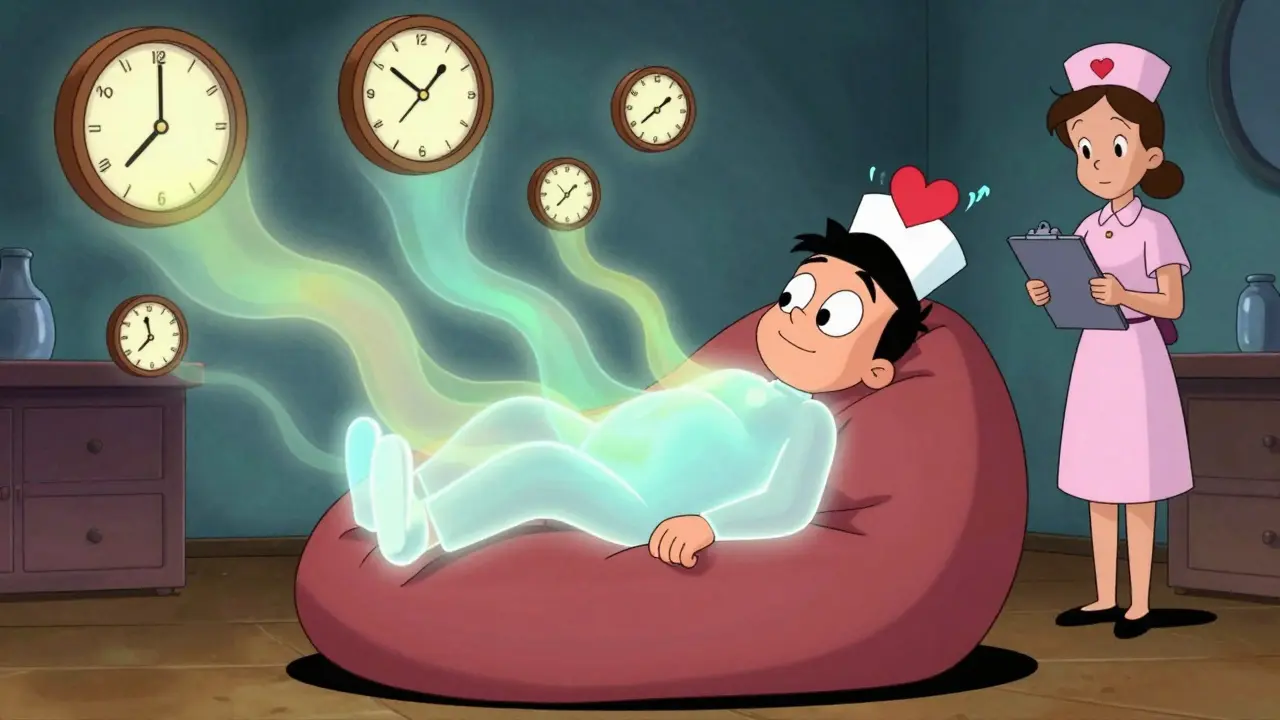
The Monitoring Protocol: Why You Can’t Just Go Home
You can’t buy esketamine online. You can’t take it home. You can’t even leave the clinic for 2 hours after each dose. That’s not a suggestion - it’s the law. The FDA requires a Risk Evaluation and Mitigation Strategy (REMS) program, and it’s one of the strictest for any psychiatric drug. Here’s what happens during that 2-hour window:- Before administration: Your blood pressure, heart rate, and mental state are checked. You sign a form confirming you understand the risks.
- During administration: You spray it yourself under direct supervision. The clinic staff watches you closely.
- After administration: You sit in a quiet room. Staff check your vitals every 5-10 minutes. They ask you how you’re feeling. They use the CADSS scale at the 40-minute mark.
- At discharge: You’re cleared only when your BP is back to normal, dissociation has faded, and you’re alert enough to go home safely (no driving, no operating machinery).
Real People, Real Experiences
On Healthgrades, Spravato has a 3.7 out of 5 rating. About 62% of reviewers mention dissociation. Of those, 41% say it was “manageable.” Only 21% called it “severe.” But the ones who had bad experiences often had pre-existing conditions - like uncontrolled hypertension or anxiety disorders. Positive reviews almost always mention the staff. “They knew exactly what to do,” “They didn’t rush me,” “They explained everything beforehand.” That’s the key. The side effects are real - but the care around them makes the difference. One patient on Drugs.com wrote: “I cried during my first session because I felt so disconnected. But the nurse held my hand and told me it was normal. I didn’t feel alone.” That kind of human support is part of the treatment.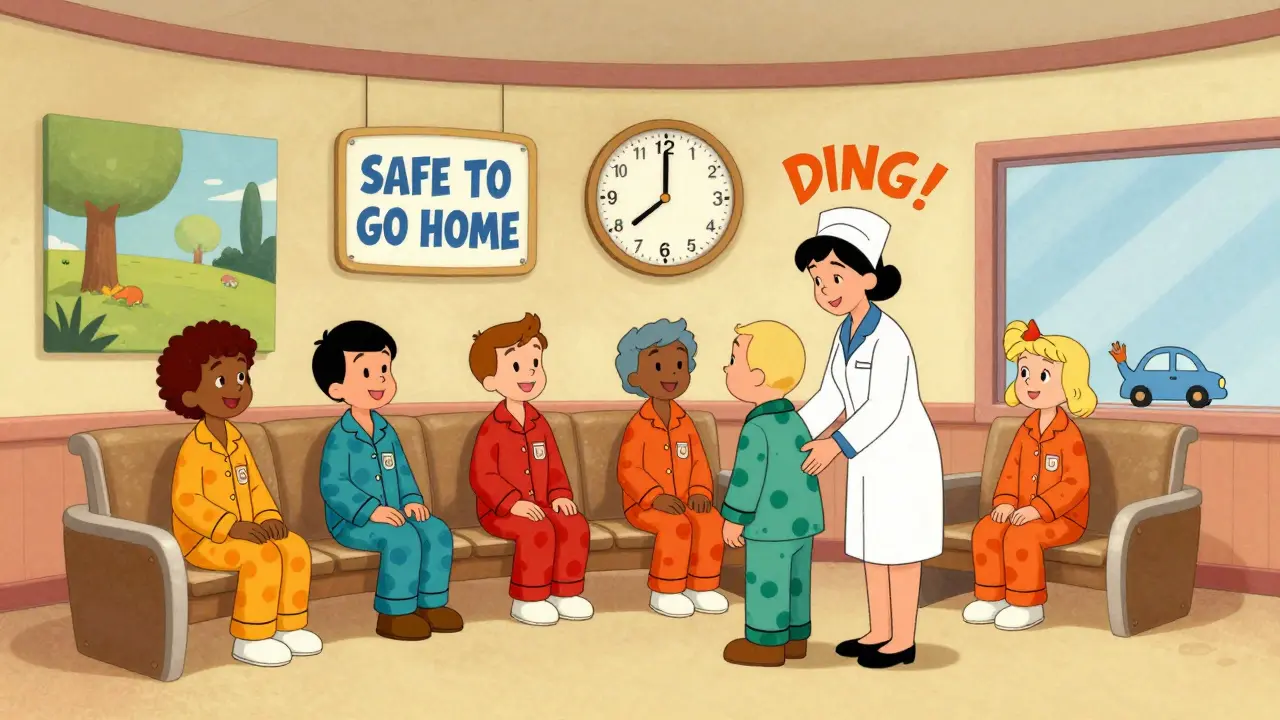
Is It Worth It?
Esketamine isn’t for everyone. But for people who’ve tried four, five, or six antidepressants and still can’t get out of bed - it’s life-changing. In trials, about 70% of patients with treatment-resistant depression saw a significant drop in symptoms within 28 days. Some felt better in 24 hours. The trade-off is time, cost, and discomfort. Each session costs hundreds to over a thousand dollars. Insurance often requires prior authorization. The 2-hour commitment means taking half a day off work. The dissociation can be scary the first few times. But for those who’ve lost years to depression, it’s not a luxury - it’s a lifeline. As Dr. John Krystal from Yale put it: “The side effects are real, but so is the suffering of these patients. This isn’t just another drug. It’s a reset button.”What’s Next?
In September 2023, the FDA approved a new option: for patients who respond well and have stable vitals, the monitoring time can be cut from 2 hours to 1 hour. That’s a big deal. It means more people can access treatment without needing to take half a day off. Companies are also working on next-gen versions - oral pills or IV forms that might cause less dissociation. But so far, none match esketamine’s effectiveness in the toughest cases. The future isn’t about removing monitoring - it’s about making it smarter. Digital tools are being tested to track dissociation remotely. But experts agree: as long as esketamine works by blocking NMDA receptors, there will always be some risk. The goal isn’t to eliminate the side effects - it’s to manage them safely so the benefits can reach more people.Can I drive after using esketamine nasal spray?
No. You cannot drive, operate heavy machinery, or make important decisions for the rest of the day after receiving esketamine. The dissociation and sedation effects can linger even after your blood pressure returns to normal. Clinics require you to have someone drive you home. Even if you feel fine, the risk is too high.
How long do I need to keep getting esketamine treatments?
Most patients start with two doses per week for the first month, then reduce to once a week for the next month, and then every 1-2 weeks or monthly depending on response. Long-term use (beyond 6-12 months) is still being studied, but early data shows no worsening of side effects over time. Your doctor will adjust your schedule based on how well you’re doing and whether your symptoms stay under control.
Does esketamine cause addiction?
Esketamine is chemically related to ketamine, which has abuse potential. But under the REMS program, it’s given only in controlled settings, and patients can’t take it home. Studies show no signs of compulsive use or dependence in patients using it for depression. The dissociation is unpleasant for many, which actually acts as a natural deterrent. The risk of addiction is extremely low when used as directed.
Can I take other medications with esketamine?
You must be on an oral antidepressant while using esketamine - it doesn’t work alone. But you should avoid benzodiazepines, opioids, or alcohol on treatment days, as they can worsen sedation and breathing issues. Always tell your provider about every medication, supplement, or substance you use. Some blood pressure meds may need adjustment. Never change your meds without consulting your treatment team.
What if I can’t get to a certified clinic?
Access remains a major barrier. There are over 2,800 certified centers in the U.S., but many are in cities. Rural areas have far fewer. Some clinics now offer telehealth consultations to help with prep and follow-up, but the actual spray must be given in person. If you’re struggling to find a center, ask your doctor about patient assistance programs or check the official Spravato REMS website for a location finder. Some nonprofit mental health organizations also help with transportation or cost support.


Janette Martens
December 29, 2025 AT 07:18Marie-Pierre Gonzalez
December 29, 2025 AT 23:43Louis Paré
December 31, 2025 AT 18:21Payton Daily
January 1, 2026 AT 01:16Kelsey Youmans
January 2, 2026 AT 21:47oluwarotimi w alaka
January 3, 2026 AT 19:59Debra Cagwin
January 5, 2026 AT 09:48Teresa Marzo Lostalé
January 7, 2026 AT 04:48Gran Badshah
January 8, 2026 AT 16:09Ellen-Cathryn Nash
January 10, 2026 AT 02:36Nicole Beasley
January 10, 2026 AT 21:36